Anyone with aspirations of visiting Walt Disney World in Orlando will know that this can be an incredibly expensive vacation. From the cost of tickets to hotels in the immediate vicinity to Disney World, you need to carefully budget before heading to the heart of Florida. But…did you know that it doesn’t need to be quite this expensive? That’s right, thanks to the Disney World annual pass, you can not only experience this collection of awesome theme parks for the ultimate family vacation, but you can also keep going back over a 12-month period to maximize the benefits.
We have been annual passholders since September 2018 and I will be perfectly honest, at first I was completely against this idea! Visiting Disney World once a year was perfectly sufficient in my opinion. Having never visited any of the Disney parks across the globe for the first 30+ years of my life, I honestly had no desire to keep returning on a frequent basis.
But Disney World really does have a way of making you come back time and time again, regardless of your initial impression of this place. And that is why the annual pass options at Disney World are undoubtedly the best way to maximize your experience in Orlando!
Disney World Annual Pass vs Individual Tickets
Let’s start with a few of the basic facts. Ok, the initial cost (see table below for a breakdown of current prices at the time of publication) may seem like a pretty large sum of money to pay upfront but after reading this post and seeing the HUGE savings, we are 100% convinced that you will agree this is the best approach to take. Dependent on how many people you have in your family, this can be an expensive initial cost.
Type
Price
Disney Platinum Plus
$994
Disney Platinum
$894
Water Parks
$139
**Additional special prices and options are available for Florida Residents and Disney Vacation Club Members. These prices are accurate as of 2019.
If you are fortunate to be a Florida resident, you can take advantage of the discounted annual pass rate. If not, there a couple of options available but in our opinion, the basic package is perfectly fine – yes, it’s still almost $900 but just take a moment to contemplate how much you would spend on one single trip to Disney World.
A single day pass without hopper option is minimum $109 (Magic Kingdom is more expensive) and that is only going to give you access to a single park. Add in the freedom (which I think most visitors, especially first-timers would want to take) of being able to “hop” between the four parks and the daily price drastically increases.
Ok, Disney World always promotes that the longer you stay and more days you purchase, the larger discount you will see but even for a 4 or 5 day ticket option, it’s still equivalent to around $85-90 per day!
Benefits of an Annual Pass
Up to this point, we have planted the seed that purchasing an annual pass at Disney World is a great option but you are probably wondering just how much money can you save? It’s a great question and I think the simplest answer is it really depends on how much you are willing to take advantage of the benefits.
Let’s take a look at a breakdown of the key benefits associated with Disney World annual passes. Please note, this is by no means an exhaustive list of benefits, rather it highlights a few key components that truly add value to this experience.
1. Ticket Price Savings
I highlighted this above but I think it’s worth reiterating that the moment you purchase an annual pass, the world is your oyster in terms of how much you can save on ticket prices. It’s as simple as this…the more times you visit during the 12 month period, the more money you are saving!
Location is going to play a big part in determining how frequent you can visit Disney World. If you live out of state but have access to an airport with convenient flights into Orlando, you can easily take weekend breaks to enjoy the best of Disney World. We have hopped on a flight after work on Friday, spent the day at Disney on Saturday and even Sunday morning before flying home late in the evening.
Take advantage of holidays. Memorial Day, 4th of July, Labor Day, Thanksgiving, Christmas…just a few of the main ones but they are all great times to be at Disney World! Ok, you need to be prepared for the crowds but come on, it’s Disney…there really never is a quiet time.
2. Parking
One of the major benefits of being an annual passholder is free daily parking at any of the theme parks. This is a massive cost saving because otherwise, you are looking at $25 per day which quickly adds up. I would argue that if you visit Disney on a pretty frequent basis during the 12-month period, you could almost pay for your annual pass in parking alone.
Aside from the cost savings, you can quickly breeze through the parking plaza after showing your annual pass and ID.
3. Shopping Discounts
Who visits Disney without adding a little retail therapy to their trip? I know we don’t! But the beauty of being an annual passholder is that you can pretty much guarantee there will be a discount available in the majority of stores in each of the four theme parks. But it doesn’t stop there…you can also take advantage of this at Disney Springs! Although there are a lot of things to do at Disney Springs, the number one attraction is undoubtedly shopping.
Whether you cannot help but fall in love with the selection on offer inside Magic Kingdom’s Emporium Shop or you are sold on a pair of those globally inspired magic ears from MouseGear at Epcot, you can be ready to check out with the knowledge that you will be saving a whopping 15% on every purchase!
Ok folks, I’m not going to lie, 15% at first doesn’t sound like much but it’s Disney we are talking about and prices are not exactly on the cheap side, so those discounts soon add up. Spend $100, which is done with relative ease inside any of Disney World’s stores and you save $15.
Another benefit that we found at Epcot is that inside each of the World Showcase pavilions, you can enjoy this same 15% discount in all of the smaller stores, which frequently have merchandise specific to that destination. If you love to travel as much as we do, you will quickly be filling your shopping bags with Epcot gear!
And then there is the magic of Disney Springs! Your adventure in and around Disney World simply isn’t complete without a visit to this eclectic outdoor entertainment complex. You can rely on your passholder discount to come in handy as you visit iconic restaurants, delectable sweet treats such as Ghirardelli and boutique shops.
4. Dining Discounts
When you visit Disney World, enjoying the myriad of dining available is part of the experience. Don’t worry, your annual pass will come in handy as you can save anywhere from 10-20% on your dining experience.
All four parks offer substantial discounts at most restaurants and a visit to Disney Springs will also lead to savings. In fact, many of the highest discounts can be found at the restaurants in Disney Springs e.g. Joffrey’s Tea and Coffee; House of Blues Restaurant and Bar, etc.
For those of you visiting Disney World and staying on property, many of the resort’s restaurants offer at least 10% discount – again, it may not sound like much but if you are enjoying a fine dining experience, every dollar counts!
One of the best discounts that you can enjoy is at the Be Our Guest restaurant at Magic Kingdom. It may only be 10% but when you are paying $60 per adult, if you are visiting with a large party/family, this is a saving that everyone will appreciate (please note, it is only valid for 4 people – the passholder and 3 additional guests but regardless, that’s a potential savings of around $24).
5. Epcot Festival Experiences
Epcot is definitely my favorite park at Disney World. Heather may suggest Magic Kingdom but almost every visit to Disney World leads to us spending time at Epcot. Perhaps it’s the amazing World Showcase and the myriad of experiences you can enjoy in each of the pavilions or perhaps it’s because there is always something new going on each time you visit.
If you have never been fortunate enough to visit Epcot, this park is renowned for being home to a number of festivals that take place throughout the year. The main benefit of these is that they are not just one-day events, rather they last for several weeks (and in some cases months) and visitors can enjoy them on numerous occasions. As annual passholders, you can enjoy additional benefits at each of these festivals.
Here is a quick overview of the different festivals:
International Festival of the Arts (January to February)
International Food and Wine Festival (August to November)
International Festival of the Holidays (November to December)
During each of these festivals, passholders can head inside MouseGear and collect a magnet. In addition to the “free” souvenir magnet, passholders can purchase specific festival merchandise and again, the discount mentioned above is still valid on all these items.
Summary
$900…it’s a lot of money I know. But anyone that has visited Disney World or had aspirations to visit will know that this experience isn’t cheap. Here are a few hard facts that we can establish from this.
If you visit any of the Disney World theme parks in Orlando at least 8 days a year, it’s beneficial to purchase the annual pass! In fact, you could probably visit less and with the additional discounts from parking, shopping and dining, you will see an immediate savings.
I haven’t mentioned this above because we have yet to experience this but you can REALLY maximize the benefits and discounts during the second year. Renewal of your annual pass leads to major savings during year two. A discount is offered to annual passholders to “renew” and you can take advantage of this offer up to 30 days after your pass expires.
Visiting Disney World as an annual passholder is a completely different experience. The first couple of times we visited Disney, we felt like we had to spend all day and experience as much as possible to really maximize the cost of purchasing day (or even multi-day) tickets. If you read our post on experiencing Disney World in one day, you will know what it was like! Now that we are an annual passholder, we can visit for just a few hours and not feel obligated to stay all day.
We attempted to keep track of the savings but honestly, there are so many of them that it makes it incredibly difficult to keep track of everything. Our number one tip also when visiting any of the parks or any store/experience at Disney Springs is to ask if there is a discount for being a passholder – they can only say no! We have been pleasantly surprised on several occasions to receive a discount without knowing about it.
Whether a Disney World annual pass is the right option for you is solely dependent on your travel plans and desire to visit Disney over the next 12 months. For us, we purchased these passes with plenty of trepidation but only after you take the plunge do you realize that it’s a no-brainer.
On a personal level, we are still contemplating whether to take advantage of year two…if I was a betting man (I haven’t told Heather yet), I would say we will purchase them again but let’s wait and see! We hope you are inspired to take advantage of the magical Disney World experience that awaits.
Anyone that has visited Washington DC will know everything in this area generally revolves around the White House, the National Mall, the Smithsonian museums and the iconic monuments and memorials in this part of the nation’s capital. And all of this would be for very good reason! But did you know that just a short walk from all of these infamous landmarks across the Potomac River in Northern Virginia is an eclectic, diverse blend of neighborhoods that collectively make up the town of Arlington? Let’s take a look at the best things to do while spending 48 hours in Arlington, Virginia.
Before you start throwing out landmarks such as The Pentagon and Arlington National Cemetery, be prepared to keep reading this post because, by the end, you will realize that this area is well worth exploring the next time you head to Washington DC.
Whether you only have a few hours, a few days or you are fortunate to spend longer in this part of the nation, Arlington is a place that deserves to be on everyone’s radar given the diverse range of things to do, places to eat and experiences unlike anywhere else in the United States.
48 Hours in Arlington
You could certainly be forgiven for “assuming” that Arlington’s recognition solely surrounds those iconic landmarks such as the cemetery, but after reading this post, I am convinced that you will likely have a desire to enjoy a few other experiences just as we did during our weekend getaway in Northern Virginia.
Just to entice you a little before we highlight some of the best experiences you can enjoy during a 48 hour getaway, how does the thought of sampling Serbian, Lebanese, Irish, American and Asian cuisine all in one visit sound? Pretty appealing I’m sure, especially if you are a global cuisine connoisseur!
The beauty of Arlington is that despite the myriad of global options available, it’s a relatively small collection of communities that are all easily accessible (majority of them can be accessed on the Metro). We will go into a little more detail later on the best places to eat but you can be sure that every type of traveler, every appetite and every individual will have something they can enjoy while in Arlington!
Arlington is a place that you could quite easily visit with the sole purpose of spending your entire trip there, just as we did on our recent visit. However, given it’s close proximity to Washington DC, it’s feasible that you may be staying in the nation’s capital but still want to experience a variety of experiences in Arlington. Regardless of your preference, Arlington is a place that can accommodate any type of visitor.
Here are just a few of the experiences you should consider adding to your Arlington itinerary.
Arlington National Cemetery
The Pentagon 9/11 Memorial
Pentagon Row & Pentagon City
The View of DC (CEB Tower)
Rossyln Self-Guided Public Art Tour
This is by no means an exhaustive list but we will go into a little more detail later in the post on each of these experiences along with a few reasons why Arlington is a “foodie” paradise!
Where is Arlington, Virginia?
But first…let’s start with a quick geography lesson for those of you that are still unaware of Arlington’s location. All those images that you see of the President in the White House or the iconic memorials scattered around the National Mall in Washington DC…well, Arlington is just a few minutes walk from this. Although Washington is in the District of Columbia, Arlington is across the river and inside the “state” of Virginia.
I hesitate to say that Arlington may as well be part of Washington DC (please don’t be offended folks if you are proud Virginians!) but in terms of the infrastructure and connection between the two, it’s easy to see how they are so closely related. The Metro system in DC and Arlington makes it incredibly easy to connect between the two and honestly, based on our experiences, it’s the ONLY way you should consider traveling around the neighborhoods.
We stayed in Rossyln at the Residence Inn Arlington Rossyln hotel which was perfectly located on the Blue, Orange and Silver lines of the Washington Metro. From here, you are just a few minutes from the heart of DC or alternatively in other directions, you can experience all of the diverse neighborhoods that you will quickly fall in love with when you visit Arlington.
Arlington National Cemetery
400,000 individuals honored…624 acres of hollowed ground in Arlington County….anywhere from 10-25 active funerals each day…these are some of the astounding statistics associated with perhaps the most infamous cemetery in the world – Arlington National Cemetery. When you set foot inside this cemetery, it’s unlike any other burial ground that you will likely have visited before.
I will openly admit that writing about cemeteries, taking pictures inside cemeteries and even talking about them isn’t generally very high on people’s lists of things to do but there is something quite unique about Arlington National Cemetery.
Whether you are visiting Arlington to pay your respects to John Fitzgerald Kennedy (JFK) or simply honoring all the amazing individuals that served in the US army over the years to keep this nation safe, this is a place that epitomizes poignancy and uniformity.
Heather is a huge JFK fan and after visiting the Sixth Floor Museum at Dealey Plaza in Dallas, the site of his tragic assassination, it was at the very top of our list to head directly to his memorial (along with wife and two deceased children).
And it shouldn’t be any other way right? One of the main philosophies of anyone serving for a national army/navy/air force/coast guard is working collectively as one and being a “uniform” unit.
While you walk around Arlington National Cemetery, you see this in full force with the majority of graves standardized, with just a few exceptions paid for by friends and families. This is a place you can easily spend a full day experiencing. We strongly recommend paying for the “hop on, hop off” trolley tours that will take you around the cemetery.
A number of iconic locations that you will likely want to visit include the following:
JFK Memorial
Tomb of the Unknown Soldier and Changing of the Guard
Arlington House
William Howard Taft (Former US President) Memorial
The cemetery is divided into sections and the knowledgeable tour guides on the trolleys will detail some of the key memorials in each section as you pass by. It’s also worth noting that this cemetery is a Memorial Arboretum and it’s definitely apparent as you see the gorgeous trees on display throughout the area.
As mentioned, when you visit this cemetery, it’s likely there will be one or more funerals occurring. Fortunately, the tour guides are respectful enough to keep the trolley’s a safe distance from the funeral site and you may well visit the cemetery without actually noticing this. If you do, please pay your respects by remaining silent and do not take pictures!
Perhaps the most interesting and poignant experience is watching the Changing of the Guard ceremony at the Tomb of the Unknown Soldier, an activity that occurs every 30 minutes.
Did you know that there is someone guarding this 24/7, 365 days of the year, regardless of the weather? This ceremonial proceeding is an integral part of Arlington National Cemetery and it goes without saying, it’s the highest honor for any of the guards to actually perform in this.
Minimum Time Required – 3 or 4 Hours
National 9/11 Pentagon Memorial
On September 11, 2001, the lives of so many people changed. Whether you were directly or indirectly impacted by the tragic events that unfolded on that morning in New York City, Pennsylvania and in Arlington, Virginia, visiting the various memorial sites is an experience everyone should have on their radar.
The National 9/11 Memorial in New York City is undoubtedly the most iconic because of the Twin Towers but that should take nothing away from the experience available at the Pentagon Memorial.
As you walk towards the memorial and notice the towering sight of the Pentagon in the background, it immediately puts into perspective what occurred on that catastrophic day in 2001. 184 lives were lost and today, these individuals are memorialized by benches that are strategically placed on the site next to the Pentagon.
The following quote can be seen on a black granite stone at the entrance to this memorial…
We claim this ground in remembrance of the events of September 11, 2001, to honor the 184 people whose lives were lost, their families, and all who sacrifice that we may live in freedom. We will never forget.
As you walk around the memorial, you will notice years which reflect the year the individuals were born. From a 3-year old to a 71-year old, this was a tragedy for so many people and it’s only appropriate that we honor those lives that were lost.
The benches have water running beneath them and can be seen illuminated at night. The direction of the benches is also significant as it represents whether the individual was on board the American Airlines Flight 77 versus those who were located in the Pentagon during this horrific event.
Minimum Time Required – 30 minutes to 1 Hour
Pentagon City
If the first part of your visit was spent exploring the poignant and rather somber sites aforementioned, you could be forgiven for being ready to enjoy something a little more upbeat. The perfect place to experience this is just a short walk from the 9/11 Memorial and is an upscale retail complex.
Pentagon City is a vibrant and thriving neighborhood home to the Fashion Centre at Pentagon City and also Pentagon Row, an eclectic blend of storefronts offering delicious global cuisine and upscale boutique shops.
Visitors to Pentagon City will immediately feel as if they are on 5th Avenue in New York City with the collection of high-end retailers but all packed into a relatively small area. A relaxing and trendy vibe can be felt throughout this part of Arlington and it’s no surprise that you can easily spend several hours enjoying the atmosphere, while of course, sampling the delicious cuisine available.
I mentioned at the beginning of this post that Arlington is home to diverse, global cuisine offerings. Pentagon Row is perhaps the focal point of this as it is home to Lebanese, Asian, Irish and South African cuisine, all within a few doors of each other.
Spend some time relaxing with your favorite beverage from Starbucks while playing a game of checkers before deciding which of the appetizing cuisine options entices you through their doors. Don’t forget to save room for dessert as the local “cupcakery” is sure to have something to satisfy your sweet tooth!
Minimum Time Required – 2 or 3 Hours
The View of DC
I love skyscrapers! I don’t know if it’s the architectural brilliance or the epic panoramic views but any opportunity I get to visit a high rise building, I’m ready to go. Our first stop during our visit to Arlington was The View of DC, also referred to as The Observation Deck at CEB Tower, a 390-feet high rise overlooking Washington DC and the surrounding area. The observation deck has only been open since June 2018 but in terms of technological advancement, this is definitely taking these types of decks to the next level.
Everything around the deck is touch-screen technology with visitors able to learn all about the history and key figures associated with Arlington and DC. The Watergate scandal, MLK’s speech and many more stories can be experienced throughout the self-guided tour of the observation deck.
The moment you leave the elevator after arriving at the observation deck, you can watch a hologram display depicting Ida B. Wells, Frederick Douglass, and Susan B. Anthony sharing their opinions on suffrage.
But despite this plethora of easily accessible information, the real reason for climbing to the 31st floor is the collection of breathtaking 360-degree views across the region. If you have the opportunity to visit The View of DC at the start of your visit to Arlington (or even Washington DC), I highly recommend it.
This definitely puts the region into perspective and is a great way of gaining a geographical understanding of the proximity to the National Mall, White House, Arlington National Cemetery and other iconic landmarks.
Head to the 32nd floor for a champagne lounge experience and spend some time outside admiring the spectacular views. Are you brave enough to head to the corner and look over the edge? Before you leave, get ready for the ultimate adrenaline rush by taking the Hover DC experience.
Whether you are an aviation connoisseur or not, this is an awesome experience to see “hidden” footage as you cruise around DC and surrounding region. You even have the opportunity to see inside the Pentagon from an overhead perspective!
As we think about the CEB Tower in general, I love how this location is thinking outside the box in terms of their positioning in the local area. Ok, the panoramic views are amazing and well worth the visit without any other perks. But when you hear that this place is frequently offering different events such as Sunrise Yoga and other social activities, this is definitely a place you should consider visiting on your next trip to the area.
Minimum Time Required – 1 Hour
Rosslyn Public Art Tour
Did you know that Arlington was home to a collection of awesome art designs? Whether you love critiquing artwork or simply appreciate the novel ideas that artists utilize to construct their works of art, taking a self-guided public walking tour of the Rosslyn neighborhood is a great way to appreciate these awesome designs.
Despite walking around the neighborhood during our first day in Arlington and heading to the Observation Deck at CEB Tower, we had no idea the “hidden gems” that we had simply passed by without noticing. It goes without saying that you should always keep your eyes peeled because you never know what creative artwork will be on display. Some of the iconic pieces on display have particularly creative names such as Cupid’s Garden, Anna and David and Dark Star Park.
Our favorite creative masterpiece is the Liquid Pixels art display found at 1801 N. Lynn Street. This artwork, designed by Ned Kahn, features 42-foot panels on the facade of the building, covered with 450,000 brushed stainless steel disks.
Through kinetic force created by wind and light, it gives the illusion of air flow as the pixels are constantly moving. It’s undoubtedly a mesmerizing display and you cannot help but be fascinated by this design.
If you have time, we strongly recommend considering a visit to Theodore Roosevelt Island. Unfortunately, the weather didn’t cooperate during our visit and we will be saving this for our next visit. However, if you are looking for the perfect spot to get away and relax, exploring this area of green space in the heart of an urban environment is definitely a great option. Another landmark well worth visiting is the the Netherlands Carillon, a memorial dedicated to thanking the United States for their efforts and sacrifice in helping the Dutch during the Second World War.
Another area of “green space” worth experiencing is Potomac Overlook Regional Park. Here you can admire views across the Georgetown neighborhood of DC, the iconic landmarks within the city, while enjoying the natural environment within this park.
Feel free to share any other experiences that folks cannot afford to miss when visiting Arlington in the comments section below…we are always ready to be inspired and add things to our future itineraries.
Where to Eat in Arlington
As promised, let’s take a look at some of our favorite “foodie” finds in Arlington. Please remember though, there are A LOT of options in Arlington and dependent on personal preference, there is likely a cuisine type to fit everyone’s palate.
We want to share a couple of unique experiences that we enjoyed during our visit and perhaps inspire you to try them for yourselves. Two very simple words and easy to remember…Jaleo and Baba! You will not be disappointed with either.
Jaleo – A José Andrés Restaurant
After spending a few days in Barcelona, it’s fair to say we fell in love with Spanish tapas. The whole concept of indulging in a myriad of small dishes and being able to sample a variety of different cuisine options at a restaurant is such a wonderful idea.
When we heard that the world famous chef, José Andrés, had a restaurant by the name of Jaleo in the heart of Arlington, we couldn’t resist visiting. We were fortunate to find some of the best tapas in Barcelona, so it was definitely a challenge to see how Arlington’s iconic restaurant fared in comparison.
If you have never been to a Spanish style tapas restaurant, well you really are missing out. Seriously though, it can be an overwhelming experience the first time you visit, particularly if your knowledge of Spanish is minimal because the menu options are vast, sometimes rather confusing and honestly, you are 100% relying on either your intuition or the expert opinion of your waiter to help you out.
Our Jaleo visit was all about sampling everything José Andrés is famous for. We strongly recommend purchasing one of the “taster” menu options…ok, it may be a little more expensive but you get to sample pretty much everything Jaleo is famous for. The most basic taster option, the Classic, gives visitors the opportunity to sample 8 or 9 tasting dishes.
From traditional Patatas Bravas to Gin and Tonic (and Olive) infused spheres (yes, they really are as cool as they sound!), Jaleo’s dining experience is one that you cannot help but fall in love with.
Baba
If Spanish tapas wasn’t enough, how does the sound of sampling a delicious Serbian brunch sound? Located in the Clarendon neighborhood of Arlington, Baba is a speakeasy style cocktail bar offering a decadent menu of options typical of those that you may find in Eastern Europe.
The best time to visit is Sunday to enjoy the delicious brunch offering. Not only can you experience a diverse selection of Serbian (and other Eastern European delicacies), you can also enjoy 25 cent cocktails…that’s right 25 cents, you read that correctly! With a variety of awesome concoctions to choose from, this is definitely an experience you won’t want to miss out on.
The brunch is famous for the “farm display” section of menu items. Take a stroll along the buffet line and fill your plate full of delicious cuisine options. From traditional Hungarian goulash to Chicken Tinga and Smoked Salmon, there is a plethora of other options available to satisfy everyone’s tastebuds.
You can also choose from a separate menu of a la carte options, including Baba’s Perfect Bowl (a twist on oatmeal), Ham and Cheese Crepes (a combination of an egg roll and traditional crepe) and much more!
For $29 per person, visiting Baba for Sunday brunch is certainly that should be on your Arlington itinerary. Be sure to check out Baba’s menu online for latest offerings but there is nothing quite like the experience itself – words and pictures will never do this brunch enough justice!
Summary
Arlington, Virginia frequently lies in the shadow of Washington DC but after spending a weekend here, we would argue that the eclectic blend of neighborhoods across this town are well worth adding to any DC itinerary. In fact, as we proved, you can easily take a trip here without having any desire or need to head across the Potomac River and explore the nation’s capital.
From delicious global cuisine to a plethora of cool and unique attractions, Arlington is a place that deserves plenty of recognition. We look forward to returning in the near future to see how this area continues to develop and expand. With Amazon setting up a headquarters in Arlington, it will be no surprise to see this area flourish in the future!
We would like to thank Stay Arlington for hosting us on this trip. We were not financially compensated and the views in this post are completely honest based on our experiences.
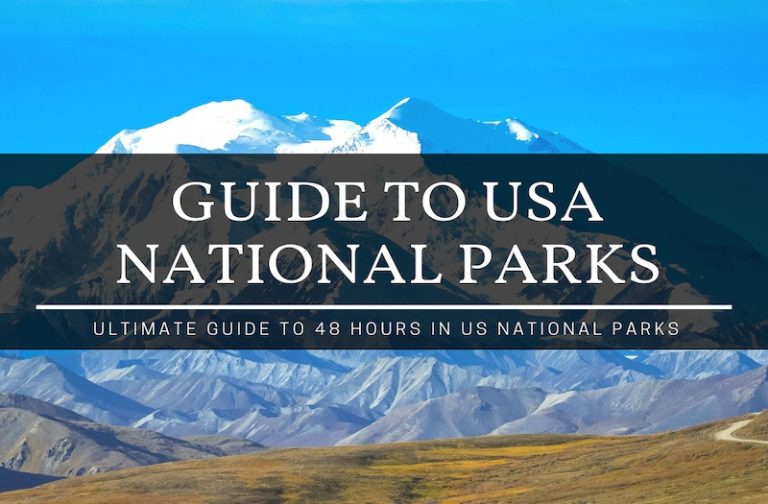
How many USA national parks have you visited? How many do you want to visit? Did you know there are now 63 areas that are now officially classified as national parks in the United States? All of these are questions we that you will be able to answer after reading this post. We have been fortunate to visit all 50 states and so our next task we are targeting is… yes, you guessed it, to visit all 63 national parks across the nation!
This post isn’t going to be your stereotypical guide highlighting some of our favorite experiences around national parks. Instead, it’s going to be one EPIC and EXTENSIVE guide to EVERY national park in the US. And if that’s isn’t enough, we are going to take this one step further by specifically drilling down to spending 48 hours in each of the parks to align with our philosophy of exploring the world one weekend at a time.
Of course, trying to put together one post featuring all 63 national parks is a pretty tall order and given that there are still a bunch of these parks we have yet to visit, we called upon some of the experts in the travel industry to help us out. We hope that you enjoy this guide to US national parks and we would like to take a moment to thank each and every contributor to this post. Without this collection of knowledgeable and extremely talented bloggers, we would not be able to publish such an extensive and informative guide to a topic we are so passionate about.
USA National Parks – 48 Hour Guide
Trying to put together a post highlighting every US national park is a challenge in itself given the number of parks that we are dealing with. To make life a little easier, here is a full listing of the national parks, organized by state, and you can easily navigate to the section of the post focused on your preferred park.
Acadia National Park is a great place for a weekend visit. Located on the northeastern corner of Maine, it is one of the most remote national parks in the country. Although one can easily spend longer, 48 hours is perfect to visit Acadia!
If you’re looking for an easy, but scenic ocean stroll, then look no further than Ocean Path Trail. This is my favorite hike in Acadia, as the ocean views and rock scrambling opportunities are plentiful. Bubble Rock Trail is a nice easy to moderate hike that takes you pretty high up for some spectacular scenery of Jordan Pond and Acadia National Park.
For something a little more challenging, you can attempt the Beehive Trail. This trail is an Acadia classic, although it is not for those with a fear of heights. Once you reach the summit, there are dramatic views of the granite cliffs and rugged coastline.
For those that are not much into hiking, then a ride down Acadia’s old carriage roads should be high on your to-do list. A drive through the park can also be quite scenic, as visitors can stop and pull off for some nice picturesque views. While camping is quite popular at Acadia National Park, staying at the nearby town of Bar Harbor is perfect for those looking for a little more luxury and great restaurants.
You can’t go wrong with a 48 hour visit to Acadia National Park.
A special thanks to Margie DQ from DQ Family Travel for sharing her thoughts on Acadia National Park.
Many US National Park chasers know American Samoa as the park that is preventing them from visiting them all. Getting here is a mission, although, for us, it was a cruise port. We headed straight for the visitor’s centre to get that elusive stamp of the only US National Park in the southern hemisphere. Hiking and snorkelling are this tropical park’s primary activities, and the visitor center can arrange for both, and even for a homestay.
We enjoyed views from the Afono Pass and Vatia Lookouts. From the second there are three trails, each leading down to the beach in Vaita. This small village is located inside the park and receives payments from the US government for the use of its land.
American Samoa is an unincorporated US territory comprised of 5 tropical islands and two atolls in the Southern Pacific Ocean. Its native inhabitants are US nationals, rather than citizens. Life here is a seamless blend of nearby Samoan cultural with modern US comforts. Remember to bring a rain jacket as its harbour has the highest annual rainfall in the world.
A special thanks to Rhonda Albom from Albom Adventures for sharing her experiences at American Samoa National Park.
Arches National Park to me is the perfect national park to spend a weekend in! Located a short drive outside of the quirky and quaint town of Moab, Arches is a really accessible national park and has a plethora of activities to keep you busy in your long weekend away!
One of the things I love most about visiting Arches National Park is that they have hikes for all abilities! Some of my favorites are going on the primitive trail near Balanced Rock, the Double and Turret Arch and of course the absolute must do hike at Delicate Arch – the most famous of all the iconic arches in the park.
If you are visiting during the summer, I would advise doing your hikes first thing in the morning and late in the afternoon to beat the worst of the heat. In the middle of the day you can enjoy the beautiful scenic drive which runs for 18 miles. And be sure to keep one of your nights to head back into the park for sunset and then to stargaze with the naked eye!
A special thanks to Leona Bowman from Wandermust Family for sharing her thoughts why Arches National Park is ideal for a weekend getaway.
Badlands is a fascinating park to visit, with the landscape we see today recognized to be created over 75 million years ago with the deposits that were eroded away over the years creating the Badlands. In this time fossils were left, and Badlands has the largest deposit of fossils in the world.
The best things you can do in the park starts inside the visitor’s center. In addition to learning about the various hiking trails, take some time to view the interactive displays and film before visiting the Fossil Preparation Lab where you can watch the paleontologists working.
The 22 mile loop road from the visitors centre to the west entrance is breathtaking, where you can see bison, bighorn sheep, black-footed ferrets and prairie dogs in their natural habitat.
There are also a lot of hikes that you can do within the park, some are very short and easy at 0.25 miles, whilst the longest Castle Trail is 10 miles long and through the grass prairie. One of the most popular is Medicine Root Loop which is 4 miles.
A special thanks to Clare from Travels in Peru for highlighting her favorite experiences in Badlands National Park.
Big Bend National Park in Texas encompasses the largest protected area of the Chihuahuan Desert in the United States and nestles in a curve of the Rio Grande River between the U.S. and Mexico. It is after the bend in the river that the park was named after. Big Bend is a huge park and yet it is easy to see a lot of it in a short amount of time. If you have 48 hours to explore, you can still cover quite a bit.
Start with a visit to the Panther Junction Visitor’s center which features several interpretive exhibits, many of them interactive. The existing large 3-d relief map as well as the full size model of the 18′ wing of Quetzalcoatlus northroppi, the famous Big Bend Pterosaur, remain as all-time favorites. The life-size replica of the wing bones of an enormous pterosaur, a 18-foot long specimen was discovered in Big Bend National Park and represents the second largest known flying creature ever to have existed.
Plan for at least a couple of days of hiking in the trails here. Two of the best and easy trails in Big Bend National Park are:
Santa Elena Canyon – A beautiful hike into an awesome canyon. You can also enjoy views back across much of Big Bend National Park. 1.6 miles RT.
Grapevine Hills Trail – It’s what’s at the end of the trail that’s what makes this one of the best trails in Big Bend. The Big Balancing Rock seems to defy gravity as it sits atop two other large boulders. 2.2 miles RT.
If you want to trek by bicycle, foot or boat but don’t want to brave the Chihuahan Desert terrain on your own, you can opt for a trip with a guided tour company.
Big Bend National Park is one of the most remote and least visited parks in the lower 48 states with a low level of light pollution, which also means, brilliant stargazing!
A special thanks to Priya from Outside Suburbia for sharing the best things to do in Big Bend National Park.
Biscayne National Park is perfect for long weekend getaways for two reasons – accessibility and uniqueness.
Unlike the wilderness that surrounds the western parks, Biscayne sits just beyond metro Miami. More than 150 daily direct flights land in Miami alone, and just up the road, the Fort Lauderdale airport services almost 10,000 customers a day. This easy access allows you to spend more time at the park and less time getting there.
Once you arrive in Biscayne National Park, you’ll find coral reefs, islands, and shoreline mangrove forests. More than 95% of the park is on the water so you’ll need to access its reefs and islands by boat. A wide variety of animals call Biscayne Bay Lagoon home including dolphins, turtles, and pelicans.
Diving and snorkeling adventures abound on the Underwater Maritime Heritage Trail where you’ll find shipwrecks and the only living coral reef off the continental United States. The most Instagrammable spot in Biscayne is the Boca Chita Lighthouse on Boca Chita Key. Here you’ll find coastal views and a museum at Convoy Point that explains local ecosystems.
On Biscayne National Park you’ll experience the American tropics at its best with that chill Florida Keys vibe. As a bonus, traveling to the Upper Keys allows you to save money on your vacation, especially compared to Key West or going abroad.
A special thanks to Jenn and Ed Coleman from Coleman Concierge for sharing their experiences on Biscayne National Park.
Black Canyon of the Gunnison National Park is a hidden secret amongst the Colorado National Parks. Uncrowded and relaxing, the park hugs 48 miles of the Gunnison River with canyon walls that jut straight up 1800 to 2700 feet into the sky.
The best place to start is at the bottom, driving to the river on East Portal Road from the South Rim. Be warned, this is an extremely steep drive (16% grade) with tight hairpin curves. Parking is available to leave your camper at the top. You’ll find a beautiful recreation area with fishing, a small campground and a wonderful picnic area at river’s edge. Here you have an impressive view of the soaring canyon walls.
Then head up top to view the canyons from the panoramic South Rim Road. 12 overlooks take you right to the edge of the canyon, with sometimes scary drop offs! Several hikes trailhead here. Plan ½ day to explore including a stop at the South Rim Visitor Center.
Campgrounds are found inside the park and nearby Curecanti National Recreation Area. With no other services in Black Canyon of the Gunnison National Park, bring drinks and snacks along. Motels and cabins are convenient in the nearby communities.
A special thanks to Ladona Stork from Walking The Parks for highlighting some of the best things to do in Black Canyon of the Gunnison National Park.
Bryce Canyon is perhaps one of the most unique within the entire N.P.S. system. The park, in fact, does not feature a canyon at all; instead, the landscape is comprised of a stunning array of thousands of “hoodoos”, striated orange, pink, and white geological structures reaching to the sky.
Start your visit along the Peek-A-Boo Loop, a 5.5 mile trail that offers panoramic views of the diversity of different types of hoodoos throughout the park. Since you’ve sufficiently worked up an appetite, head on over to the south end of the park to eat a quick picnic lunch before you head out to the Navajo Loop Trail, a 1.3 mile round trip journey that will take you down under the rim of the park, leaving hoodoos soaring above you. End the day by gazing at some of the darkest skies in the U.S.A. and see if you can catch a falling star.
On your second day in the park, hit up the Fairyland Loop, an 8-mile trail, in the morning. After yet another picnic lunch overlooking the stunning landscape, take a leisurely rim stroll, guided by a park ranger, where you can learn about the wildlife and the geology of the park. End your stay by watching the sun sink below the rim at Sunset Point, watching the amphitheater turn brilliant colors and dreaming about your next visit to Bryce Canyon.
A special thanks to Jessica Schmit from Uprooted Traveler for sharing her ideas on spending 48 hours in Bryce Canyon National Park.
Canyonlands National Park in Moab, Utah, is already surrounded by beauty and stiff competition and with Arches and that’s why I think so much of it flies under the radar.
Start with the famous sunrise at the Mesa Arch, then check out the nearby island in the sky district. There are a couple of easy hikes at Canyonlands like the Aztec Butte and Murphy trails. Both provide sweeping views and are easy to access.
To get away from the crowds on day two, I highly recommend the Needles district. Start with the Needles overlook to get a lay of the land and go for the Red Canyon hike, a 9.5-mile trail that can be tough but with incredibly rewarding views.
A special thanks to Kristin Addis from Be My Travel Muse for sharing her thoughts on the best way to spend 48 hours in Canyonlands National Park.
Capitol Reef National Park is one of Utah’s mighty 5 national parks located in the state’s south-central red rock country. Any visit here should start at the Visitors Center in Fruita where you will learn the history of the Mormon settlers in the area. Eat pie at the Gifford Farmhouse, visit the schoolhouse, or pick fruit during harvest season.
Explore the remote, picturesque Cathedral Valley via 4×4 (tour companies available). The 8-mile Scenic Drive is a great way to explore the park as you drive past the towering rock formations. The drive will take you to pull-outs for sites and trailheads you don’t want to miss like Hickman Bridge and Panorama Point.
The hikes in the park offer incredible scenery. The Capitol Gorge trail takes you deep in the canyon walls as you seek ancient petroglyphs and an old Pioneer Registry of the early settlers in the area. Explore narrows in the Grand Wash trail and enjoy impressive views after the hike up Cassidy Arch trail.
Don’t forget to save some energy for stargazing as Capitol Reef National Park boasts one of the darkest night skies in the world! Be one of the few people to view the Milky Way with the naked eye!
A special thanks to Becci Edington from Tattling Tourist for sharing her thoughts on Capitol Reef National Park.
If you love exploring caves, there are not many places more spectacular than Carlsbad Caverns in the heart of New Mexico. A collection of 119 caves, Carlsbad is home to a plethora of breathtaking geological formations not to mention a host of resident bats that love to call these caves their natural habitat. For the avid photographers out there, this is a paradise waiting for you to capture and although it’s a challenging experience trying to take all of your equipment deep into the caves, you will soon realize that it was worth the effort.
In terms of highlight attractions in Carlsbad Caverns, perhaps the iconic location is “Big Room” – an 8-acre space full of cave formations that will leave you speechless. The Rock of Ages and Temple of the Sun are just two examples of formations that you can admire here but it’s the intricate details of these natural phenomena that really amazes every visitor into these caves.
It’s fair to say that after 48 hours inside (or even 24 hours if you are pushed for time) these caves, you will be a resident expert on understanding the difference between a stalagmite and stalactite. Whether you choose to take a self-guided tour or guided tour via a local park ranger, you can be sure that you experience will be memorable. Stay in the local town of Whites City or larger town of Carlsbad for convenient access to this national park.
The Channel Islands are all about diving. They are home to giant kelp and diving through the thick forests of giant golden kelp is an incredible experience. However, there are also plenty of fish, including bright orange garibaldis, as well as sea lions and harbor seals that like to dart up to divers and then swim away.
The Channel Islands National Park is comprised of the five northernmost Channel Islands off the coast of Los Angeles and Santa Barbara, California. SCUBA diving boats for Anacapa and Santa Cruz Islands usually leave from Ventura Harbor, just north of L.A. The boats for the northern Channel Islands (San Miguel, Santa Rosa and Santa Barbara Islands) usually leave from Santa Barbara.
With two days, you can spend one day diving the southern islands and on the second day dive the northern islands. The best visibility is September to November, although July-August and December-February are still good.
A special thanks to James Ian from Parks Collecting for sharing why Channel Islands National Park is a great diving destination.
There are many national parks across the US that frequently fly under the radar simply because they don’t have the reputation or perhaps recognition that they deserve. Congaree National Park in South Carolina is a perfect example. It may not have the expansive vistas such as those that you can see at the Grand Canyon or Yellowstone but what it does possess is an inherent beauty that should not be forgotten.
By preserving 11,000 acres of hardwood forest, Congaree is undoubtedly one of the most essential national parks that we have. It should go without saying that preserving this type of landscape is something we should all strive for but unfortunately, outside of places that are designated as national parks, it’s not something we appear to be focused on, despite the constant debate about climate change and desire to be more eco-friendly. When you visit Congaree National Park, you can clearly see the focused efforts to maintain this incredibly important landscape…if only more places were able to achieve this!
For nature lovers, Congaree epitomizes everything there is to love about the great outdoors. From the biodiversity throughout the national park to the myriad of wildlife that have an untouched natural habitat here, there are a number of hiking and paddling trails throughout the park that make it easy for visitors to admire this scenery. The 2.4 mile hike on an elevated boardwalk is a great way to experience everything there is to love inside Congaree National Park.
Crater Lake is one the most magical places you can visit in America. It was created by the explosion of Mount Mazama around 7,700 years ago. Over time, water collected in the resulting crater and represents some of the purest and clearest water in the world.
Some tips for visiting:
The best time to visit is June through late September when the weather is best.
There isn’t much lodging inside the park. Options are Crater Lake Lodge, The Cabins at Mazama Village, Mazama Campground and Lost Creek Campground. You can also stay in nearby town Fort Klamath.
For food, there also aren’t many options. During the summer season your options would be Rim Village Café & Gifts, Annie Creek Restaurant, Crater Lake Lodge Dining Room, and Mazama Village Camper Store.
Make sure you arrive with a full gas tank since there aren’t many gas stations within 35 miles. During late May to mid-October, there is one gas station operating inside the park.
Remember to swing by the Visitor Center to to watch the 22 minute film on the history of Crater Lake.
The Cleetwood Cove trail is the only trail that leads down to the lake’s shoreline. The hike down isn’t too bad, but going back up was tough.
Pinnacles Overlook, located in the south east corner of the park and a six mile detour off of the Rim Drive is worth checking out.
A special thanks to Henry and Zory from This Life Of Travel for highlighting some of the best things to do at Crater Lake National Park.
Cuyahoga Valley National Park is the only national park in Ohio, located between Cleveland and Akron.
If you only have 48 hours in this National Park, then you will want to start with the Cuyahoga Valley Scenic Railroad. The scenic railroad is open year around, and will take you on a two and a half hour round trip journey throughout the park.
You can purchase meals on the train, or even look for special events such as a wine or murder mystery night. You can get off at different towns along the way, and your train ticket is good for the day.
There is plenty of hiking and biking trails in this national park. In addition, you should check out the gorgeous waterfalls. Brandywine Falls is the most impressive, but Blue Hen Falls is also worth a visit. You can even take your bike on the train, to be able to better explore the park. The trails that you visit will be sure to make for a relaxing weekend.
A special thanks to Michelle Maraj from Travel After Five for sharing her thoughts on Cuyahoga Valley National Park.
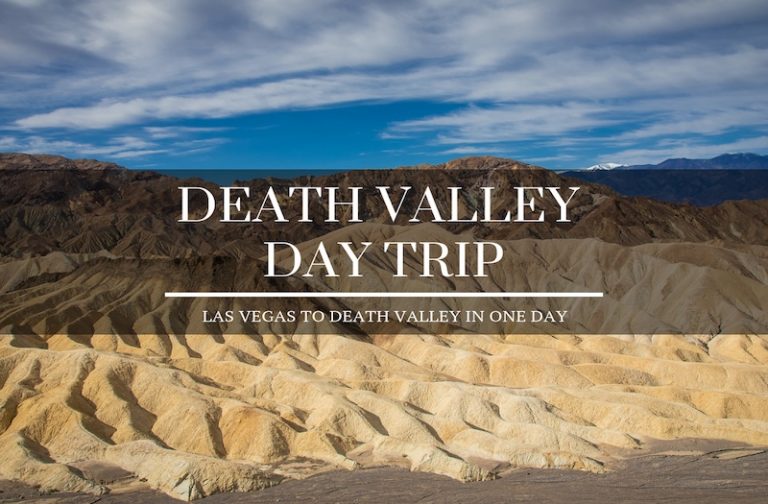
Death Valley is a great weekend getaway destination. Don’t let the name fool you, this National Park in California offers lots to see and do. Bring your car and your hiking shoes!
Some of the coolest places in Death Valley are Devil’s Golf Course, the Racetrack, and Badwater Basin. Devils Golf Course is a large salt pan, filled with mounds and mounds of salt all over. You can drive to Devils Golf Course and actually go out and walk through them. The salt is leftover from the lake that dried up there.
The Racetrack is a very cool stop. It has “sailing stones” which are stones that move through the surface all by themselves…leaving a trail behind to see where the rock was before it. It is definitely worth the stop but with Death Valley being the largest national park outside of Alaska, there is plenty to experience throughout the park.
The Badwater Basin is the lowest point in North America where you will be 282 feet below sea level. Death Valley has so many more points of interest to check out, so you can definitely spend a good 48 hours here exploring. For those of you that prefer to be a little more adventurous and only have 24 hours, check out this day trip guide from Las Vegas to Death Valley and how you can maximize your time.
A special thanks to Sara from Our Kind of Crazy for sharing her experiences at Death Valley National Park.
Denali National Park is 6 million acres of Alaskan wilderness waiting to be explored. It is a great park to spend two days exploring and one of the few parks that you can visit via public transport. Unless you have significant Alaska winter wilderness experience, Denali is best visited during the summer. During the summer, Denali National Park has a great bus system to explore the park.
Start your first day in Denali by taking one of the bus trips into the heart of Denali. There are several different bus trips that range from 6 to 12 hours. I highly recommend the 12 hour Kantishna Experience. The Kantishna Experience travels all 92 miles of the Denali Park road and you will visit all the major park highlights while stopping to view wildlife along the way. In Kantishna, you will learn about the mining history of Denali and Alaska.
On your second day, start your morning off with a flight see of the park. Flights offer the best chance to see Denali. After your flight, have a quick lunch and catch a shuttle back into the park. Head over to Savage River and hike one of the two trails in the area. There is a flat 2 mile loop along the Savage River or the 4 mile Savage Alpine loop. The Loop has about 1,500 ft in elevation gain but on clear days the view is worth the climb.
Dry Tortugas National Park is unique in many ways. Located 80 miles off Key West, Florida, it is one of the most remote US National Parks and worth the time and effort to visit. Its seven islands and pristine waters are simply beautiful – and it’s a rarely visited area that preserves the beauty of this amazing marine park!
Getting to Dry Tortugas can be expensive and challenging – Dry Tortugas is only accessible by boat or plane. You can read more on what to do in Dry Tortugas National Park and how to get there.
The most popular activity in Dry Tortugas is a day trip tour from Key West with Yankee Freedom III ferry. The voyage includes a tour to Fort Jefferson and snorkeling. More activities can be arranged prior to boarding the ship. For example, you can stay in the overnight primitive camping ground, do some kayaking, or even scuba dive!
A special thanks to Halef and Michael from The Round The World Guys for sharing a few reasons why Dry Tortugas National Park is a great place to visit.
The Everglades National Park in Southern Florida is teeming with wildlife. The park spans across 1.5 million acres and there are three main sections that you can easily access. The section along Florida’s Hwy 41 is one of the easiest to access and where you should spend your 48 hours in the Everglades.
Whilst many people opt to take a tour in the Everglades it’s easy, and arguably more fun, to plan a self-guided tour to the Everglades. This gives you the chance to watch the wildlife at your own pace and stop where ever you like along your road trip along Hwy 41.
If you’re coming from Miami, spend your first-day road tripping east to west. Learn about the Miccosukee tribe at the Miccosukee Indian Village, walk the boardwalks keeping your eyes peeled for ‘gators, turtles and birds at Kirby Storter Roadside Park, H. P. Williams Roadside Park and Big Cypress Bend Boardwalk, find the US’s smallest post office and learn about the mysterious Skunk Ape and the Skunk Ape Headquarters.
On the second day be prepared to explore the Everglades from a different angle. Sign up to a kayak tour and immerse yourself in the mangrove forest with Jenny’s Eco Everglades Tours as you paddle past alligators and watch the birds leave the forest for the day. It’s a trip that’ll stick with you long after it’s finished!
A special thanks to Hannah from That Adventurer for sharing her thoughts on how to spend 48 hours exploring the Everglades National Park.
Gates of the Arctic National Park and Kobuk Valley National Park are the two northernmost national parks in the United States, and the two least visited national parks in the US. Official statistics will say they get about 10,000 visitors per year, but in reality, they get much fewer than that. The number of actual tourists who visit each park is probably below 1,000, and possibly much less than that.
These parks have no visitor center, no roads, no campgrounds, no trails or anything else you would expect to find in a national park. Your options in each park are either a day trip by float plane or a two-week backcountry trip in the wilderness. There isn’t much in-between these two options.
You can visit both parks in a single day on a park hopper flight from Bettles, Alaska. The flight isn’t cheap, but you will land in both parks and get some stunning aerial views from the plane that you would never get on the ground. In Gates of the Arctic, the highlight attraction is the Brooks Mountain Range.
A special thanks to Gary Arndt from Everything Everywhere for sharing the highlight experiences in Gates of the Arctic National Park.
Gateway Arch National Park is quite unique, located in downtown St. Louis, but it is a smaller park. 48 hours in Gateway Arch National Park will encompass everything. But, there is enough to do nearby for a fun-filled 2 days.
Spend one day exploring the Arch and riverfront, visiting the Arch Museum, riding the tram to the top, walking the parkland trails to find amazing photo spots. Have lunch with a view at a street cafes at Laclede’s Landing, or at the pricier 360 rooftop bar. Later, take the helicopter flight over the park, followed by a downtown and riverfront carriage ride. End the day with a dinner cruise on the national park riverboats.
Start day 2 at the Old Courthouse, to learn its role in the battle for human rights, and the Old Cathedral, the oldest west of the Mississippi. Then take a walk down the Gateway Mall, 12 blocks of green-way, with sculpture gardens, memorials, and the Soldier’s Memorial and Military Museum, at block 8. Or, walk to the National Blues Museum, for funner St. Louis history, and live music Sundays, Thursdays and Fridays. You will pass plenty of places to eat along the way.
End your day on the other side of the Mississippi at the overlook, for amazing sunset arch photos.
A special thanks to Roxanna Keyes from Gypsy With a Day Job for highlighting why Gateway Arch National Park is a great experience.
With 48 hours in Glacier National Park you can enjoy the best of the park’s attractions. Have a look at this list of things to do and start planning your trip now!
Trail of Cedars – a beautiful nature trail that’s a little less than ¾ of a mile through the forest and features a waterfall.
Hike Avalanche Lake, you’ll pass by the trailhead on Trail of Cedars walk. This hike is under 5 miles in total and takes you to a stunning lake in the Rockies.
Take a boat trip on Lake McDonald and learn more about Glacier National Park during the 1-hour tour around the lake.
Enjoy lunch at Russell’s in Lake McDonald Lodge – make sure to allow some time for looking around this historic lodge.
Drive the Going to the Sun Road – one of America’s most scenic drives.
Take the shuttle boat at Many Glacier Hotel and hike Grinnell Glacier for incredible views.
Afterwards enjoy lunch at the Ptarmigan Room at Many Glacier Hotel then walk it off with a hike around Swiftcurrent Lake. Or enjoy the exceptional views from a relaxing boat tour on the lake.
Don’t want to drive? Do one of the Red Bus Tours in the park – these classic cars have been in operation since the 1930’s and feature roll-back tops so you get a perfect view.
A special thanks to Susan Moore from Solo Trips and Tips for highlighting some of the best things to do in Glacier National Park.
If you have been fortunate to visit the beautiful state of Alaska, you will know that that this part of the US is inundated with natural beauty. Although Denali and Kenai Fjords are the two infamous national parks in Alaska, it’s those untouched parks that are incredibly difficult to reach that are perhaps the most intriguing.
Glacier Bay National Park is one of these, though in comparison to Kobuk Valley and Gates of the Arctic, this is not the most difficult to access. Be prepared to drive on a solitary road after taking a ferry from Juneau to Gustavus but then prepare yourself to be transported into 3.3 million acres of breathtaking beauty.
A unique combination of glaciers, forestry and the world’s largest non-polar ice field are enough to justify a visit but when you throw in the opportunity to see wildlife including seals, otters, moose, wolves, deer, brown/grizzly bears and possibly even orcas/humpback whales, you know you have found a real gem of a national park.
For those of you that prefer to take a guided tour, you can take a Day Boat trip from Gustavus to experience the best of the national park. This 150 passenger high speed catamaran sails from Glacier Bay Lodge and for the next 8.5 hours, you will take the 130 mile round trip journey deep into Glacier Bay National Park. Regardless of which method you choose, a visit to Glacier Bay is something that everyone should be inspired to experience.
As one of the most visited national parks in the United States, visiting the Grand Canyon is often a highlight of any trip to Arizona and the Southwestern US. Encompassing nearly 5,000 square kilometers of land, one could easily spend weeks or months exploring this natural wonder. However, if you only have a limited amount of time, then spending two days here is an excellent option.
You can spend your first day at the Grand Canyon taking in the traditional viewpoints and taking a stroll along the paved and accessible rim trail. If you want to escape the crowds even further and you’re visiting the Grand Canyon between the months of May-October, then heading to the far more remote North Rim is a great choice.
If you’re after something a little bit more strenuous than a paved rim walk at the Grand Canyon, there are a seemingly endless amount of hiking trails in and around the Canyon itself. One of the most popular is the Bright Angel trail, which can take you all the way to Phantom Ranch at the bottom of the canyon. The hike takes approximately 4-6 hours to get down and then 6-8 hours back up. Many people opt to spend the night at Phantom Ranch before hiking back up the next day.
A special thanks to Maggie Turansky from The World Was Here First for sharing some of the best experiences at Grand Canyon National Park.
Grand Teton National Park is located south of Yellowstone and often a forgotten park. Grand Teton is filled with natural wonders such as Jenny Lake and of course the two towering Grand Tetons.
One of the top things to do in Grand Teton is to drive the Teton Park Road which will take you past the Grand Tetons which are towering the landscape at 13,770 feet tall.
If you continue on you will come to Lake Jenny, a two mile long glacial lake. Jenny Lake is one of the highlights to your Grand Teton trip. Not only does it have stunning views but you can also hike around the lake or swim or paddle on the lake. The hike around the lake is approximately 7 miles long and an easy hike.
If you are looking for an easy to moderate hike to do, I would recommend Taggart Lake Trail. The hike is only 3 miles round trip but you are rewarded with views of Lake Taggart and the beautiful landscapes.
A special thanks to Nicole LaBarge for highlighting why Grand Teton National Park deserves more recognition, despite frequently being left in the shadow of nearby Yellowstone.
Great Basin National Park is a hidden gem in the middle of nowhere Nevada. Literally. It’s the home to over 200 mountain lions, the only glacier in Nevada, and some of the oldest living things on Earth, bristlecone trees. While it may not be the biggest park, it has enough to keep you busy for 48 hours.
On the first day, I would do a tour of Lehman Cave. There are two options: 1 hour or 1.5 hours. The longer tour is the same as the short one but includes a few extra things.
You’ll need to book ahead because they do fill up. You can do that online at recreation.gov. If you can’t get a spot on the longer tour, don’t worry, the short one is still awesome. Before or after your tour, make sure you do the Alpine Lake and Bristlecone Loop. If you only do one hike, do this one.
On the second day, climb to Wheeler Peak, the second highest peak in Nevada or spend some time walking along Lehman Creek Trail, exploring the Gray Cliffs and Baker Creek area, or Pole Canyon.
A special thanks to Megan Johnson from Red Around The World for highlighting the best things to do in 48 hours in Great Basin National Park.
The greatest thing to do at the Great Sand Dunes National Park and Preserve is to simply climb them! Truth be told, it’s not easy. Have you ever walked over sand? Try climbing it!!! The Dunes are huge and beautiful, and ever changing. It’s definitely a challenge so be prepared to take your time and drink plenty of water.
There are several different areas to climb, hike and backpack. Now, in case you’d like something a little more adventurous, how about trying sand boarding or sand sledding? Yes, you can do that at the Great Sand Dunes National Park!
Or, if you’d like something a little more laid back. Why not take a tour or go horseback riding during your visit? And if you’re looking to make it an educational visit for you and your family there are plenty of free ranger programs available late May through October.
So even though I think the greatest thing to do is climb you have so many awesome options right at your fingertips!
A special thanks to Cassie Trin from White Sands and Cool Breezes for highlighting why Great Sand Dunes National Park is worth exploring.
The Great Smoky Mountains National Park is the most visited national park in the country and it is absolutely no surprise why. Once you’ve been there and seen it with your own eyes, you’ll never want to leave.
Living in Nashville, only 3 hours away, I grew up going here and to this day it is still one of my favorite places in the world. This is the perfect weekend retreat with so much to explore. Make sure to head to Cades Cove for the best chance of spotting wildlife, especially black bears. Come in early June to see the once in a lifetime phenomenon – synchronized fireflies.
Explore the park via the countless hiking trails, campgrounds, driving loops, and more. When that all gets to be too much (it won’t), head into Gatlinburg for some small town and don’t forget to try the moonshine.
For more about the synchronized fireflies or abandoned spots in the park, check out these posts.
A special thanks to Ashley Hubbard from Wild Hearted for sharing her experiences in the Great Smoky Mountains National Park.
In the heart of west Texas is the remote Guadalupe Mountain range, an area of the state that epitomizes the solitude and wilderness that is present here. But don’t let this remoteness fool you because the moment you venture deep into Guadalupe Mountains National Park, you will find some of the most spectacular scenery anywhere in the state of Texas.
From the mountain range itself that have been pushed 3,000 feet above the surrounding Chihuahuan Desert to an abundance of sand dunes, salt flats, ravines and other natural phenomena, Guadalupe Mountains National Park is one of those “lesser-known” parks that is well worth experiencing. Guadalupe Peak, standing at 8,749 feet above sea level is the tallest mountain in Texas while there are some other impressive mountain tops to be found in this part of the state.
The incredible gypsum sand dunes at Salt Basin are a real sight to behold but the real beauty can be found when you head out deep into the wilderness and explore some of the 80 miles of hiking trails. McKittrick Canyon is frequently renowned as one of the most beautiful spots in the state and is definitely a hike that anyone visiting this national park should consider experiencing.
Haleakala means “House of the Sun” in the Hawaiian language, and it’s easy to understand why the ancients viewed this dormant volcano as such. It is the younger of two volcanoes on Maui, measuring more than 10,000 feet above sea level, and is still considered a sacred place.
Haleakala sunrise at the summit is the big draw here for Maui first timers and repeat visitors alike, so much so that the National Park Service instituted a reservation system to limit vehicular traffic to four popular viewpoints at 150 vehicles per day.
If you are camping within the Park, you don’t need the reservation to the Summit District, nor do you if you are a Native Hawaiian practicing traditional culture. If you prefer, you can visit with an authorized sunrise tour. Plan to arrive between 3AM – 7AM prepared for high altitude temperatures which can get cold. Once the sun is risen, short and long hikes, including overnight wilderness treks are available in the summit and coastal areas, which include natural pools, waterfalls, and bamboo forest.
Campers can bring their own gear to drive or hike up to sites or reserve wilderness cabins. Photo ops of volcanic landscapes, flora and fauna, and coastal vistas abound. Note that this is one of the best places in the world for sky watching, with very little ambient light to obstruct your view.
A special thanks to Betsy Wuebker from Passing Thru for sharing a few reasons why Haleakala National Park in Hawaii is a place we all need to visit.
Volcanoes National Park in Hawaii is quite spectacular and now that it is open again from the latest lava intrusion, there’s still a lot of the park to see and explore.
Located on the southeastern region of the Big Island you can easily do a day trip from the Hilo side or Kona depending on where you are staying. There’s so many places of interest to visit but start with the welcome center to get oriented and see what is happening on the calendar when you visit. There are guided walks or a DIY road trip through the park you can do and take a variety of scenic hikes that fits your time and skill level.
Although most of the lava activity has slowed down dramatically there’s still plenty to see and do in this national park with so much cultural and historic significance to experience. Check out my post on visiting Hawaii Volcanoes National Park and the Big Island with kids here for more inspiration to visiting.
A special thanks to Noel Morata from Travel Photo Discovery for highlighting a few reasons why Hawaii Volcanoes National Park is a spectacular experience that everyone should visit.
As one of the United States’ smallest National Parks, Hot Springs National Park in Arkansas is the perfect place for weekend visit. Created to protect the historic bathhouses that line the appropriately named Bathhouse Row, it’s a bit unique compared to the more wilderness focused parks in other parts of the country. These bathhouses arose thanks to the natural hot springs that bubble out of the mountain at a piping hot 143 degrees Fahrenheit.
The park’s visitor center is located in one of these historic bathhouses, and visitors can tour all three levels of it. You can explore the changing areas and leisure room, see the kinds of health treatments that went on here, and take a peek at the gym.
Two of the bathhouses – Buckstaff Baths and Quapaw Baths – are still in operation and you can make an appointment if you want to go for a soak in the naturally hot spring water. The park’s boundaries also include some of the rolling mountains and you can spend all or part of a day hiking the trails through them.
If you’re more into driving than hiking, you can take a winding road to the top of a mountain and picnic, just take in the views, or buy a ticket to ride an elevator to the top of the observation tower. After park hours end, you can enjoy your evening dining at one of the many restaurants along Bathhouse Row or sample some beer from Superior Bathhouse Brewery, located in one of the former bathhouses.
A special thanks to Kris from Nomad by Trade for sharing her experiences in Hot Springs National Park.
Located along the shores of Lake Michigan, Indiana Dunes can lay claim (at the time of this initial publication) to being one of the newest areas to be designated with national park status. The 61st national park, Indiana Dunes has quickly become part of the national park system and is certainly not out of place with 15 miles of incredible beauty along the shorelines of Lake Michigan.
With over 15,000 acres of gorgeous beaches, woods, prairies and marshland, Indiana Dunes is the perfect habitat for a diverse range of wildlife, all of which can be experienced when you start exploring this national park. Visitors can enjoy sledding on the dunes during the winter months while you may be intrigued to hear that during the spring, this area is a haven for maple syrup making…you don’t even need to cross the Canadian border to experience this!
Hiking trails are a rewarding experience all year round, though it may be more apt to experience snowshoeing or cross-country skiing during the winter months. Indiana Dunes is a photographer’s paradise, whether you are a nature/wildlife aficionado or simply someone who enjoys capturing gorgeous landscape shots.
Located in the heart of Lake Superior, the largest of the US Great Lakes, Isle Royale National Park is an untouched, isolated wilderness of dense forest and rocky shoreline. But it’s this type of landscape that is a hiker’s paradise, particularly if you are interested in exploring the hidden depths of this remote island.
Did you also know that Isle Royale is the least visited national park outside of Alaska and Hawaii? With only 20,000 visitors annually, anyone visiting Isle Royale will likely have much of the island to themselves, simply adding another layer of beauty to the experience. The tranquil setting is not only ideal for visitors but also for the myriad of wildlife that can be found in their natural habitat. From beavers to foxes and moose to wolves, there is a diverse population of wildlife that have found Isle Royale National Park to be the perfect place to call home.
A ferry or seaplane is the best way to access Isle Royale from Houghton and Copper Harbor on Michigan’s Upper Peninsula. It’s also worth noting that Isle Royale is actually not the only island…rather, it’s part of a large archipelago of 400 smaller islands that collectively create this area of natural beauty in Lake Superior. With over 165 miles of hiking trails, it’s certainly a paradise for those that love to explore outdoors.
Joshua Tree National Park is a wonderful desert Park in South Eastern California. It is famous for being the area where two desert systems meet, the Mojave and the Colorado, and it can be easily visited in a couple of days.
The best things to do in Joshua Tree over a weekend are hiking and driving, two excellent ways to see the park’s unique landscape. Hikes in Joshua Tree go from easy to moderate: the easiest ones take 30 mins – 1.5 hours (Cholla Cactus Garden, Barker Dam, Hidden Valley, Hi-view) while moderate ones such as Lost Horse Mine take up to 3. Because of the potentially extreme heat, organize your time so you hike in the morning and avoid the midday sun.
On your first day, hike in the morning, then drive up to Keys Views for great views of the Coachella Valley and San Andreas fault. On your second day, hike again, then drive between the North and Western park entrances to see the Joshua trees and famous park boulders.
Finally, the join one of the regular ranger talks about the park, its history and challenges. Spend your evenings in the park stargazing for a truly unforgettable experience!
A special thanks to Marta Correale from Learning Escapes for sharing her thoughts on spending 48 hours in Joshua Tree National Park.
Katmai National Park is a great place for a 48-hour excursion from Anchorage; you’ll have to get there via seaplane, once you do, you’ll be transported to perhaps the most famous park for bear watching, as it is home to over 2,000 brown bears!
Many of these star each summer in the world famous “Bear Cams”, webcams capturing the bears catching salmon to gorge upon in advance of winter hibernation. You can view the feast in real life at multiple sites throughout the park, though most notable is Brooks Falls.
Camping at Brooks Falls (don’t worry, the campsite is enclosed by an electric fence) situates you within the park. Campsite reservations via recreation.gov go faster than hot concert tickets, selling out within hours of their release each January. There are privately run lodges inside the park, though prices do tend to be on the higher side and the lodges, too, sell out well in advance.
Fishing is king here, for both bears and humans. You can bring your own gear and fly-fish (with a license) in the Brooks River, or contact one of the official park concessionaires for gear rental and boat access to more remote fishing locations.
For another day adventure, explore the Valley of Ten Thousand Smokes, comprised of the remnants of the largest 20th century volcanic eruption. While the smokes—fumaroles and mudpots— have gone silent since the 1912 eruption, you can still explore this otherworldly landscape by a guided bus tour with concessionaire Katmailand.
A special thanks to Derek from Parks and Points for sharing wonderful experiences in Katmai National Park in the heart of Alaska.
There is something quite magical about watching ice calving and there are not many better places on earth to experience this than in Kenai Fjords National Park. When you add an opportunity to see a plethora of orcas, humpback whales and other wildlife, it’s pretty much a given that everyone should want to visit this breathtaking national park in Alaska. Whether you are taking a day trip to Seward from Anchorage and then hopping on a half-day cruise around Kenai Fjords or you are staying for longer, this is an unforgettable experience that we can 100% attest is worth it.
Although the coastal fjords are the pièce de résistance in Kenai Fjords, there are plenty of other natural attractions worth exploring while visiting this area of Alaska. The accessible Exit Glacier area is full of epic hiking trails, though these are not for the faint hearted! The 2.4 mile Edge of the Glacier trail is perhaps the most iconic along with the 8-mile, 8-hour Harding Icefield Trail but both are well worth the effort.
For those of you happy to stay on board a day (or half-day) cruise, we highly recommend taking a Major Marine Tours excursion to experience both the wildlife and natural beauty on display throughout Kenai Fjords National Park – you won’t leave disappointed!
Kings Canyon National Park coincides with Sequoia National Park as they are located side by side in the Sierra Nevada. Kings Canyon itself is one of North America’s deepest canyons, with a maximum depth of over 8,000 feet in certain spots. This granite valley is surrounded by natural beauty and bordered to the east by the Sierra Crest and the highest peak in this national park, North Palisade, measuring 14,265 feet. Just a short distance away in Sequoia National Park is the tallest mountain in the mainland 48 US states – Mount Whitney!
One of the highlight attractions in Kings Canyon is to take the 36-mile scenic drive along the Kings Canyon Scenic Byway. Whether you are inspired by the natural beauty around you or you prefer to park your vehicle and start hiking among the plethora of trails, you can be sure that a visit to both Kings Canyon and Sequoia National Parks will be worthwhile. This is definitely a time where having the National Park annual pass is beneficial as you will surely want to visit both parks.
If you read the above post by Gary Arndt on Gates of the Arctic National Park, you will know that Kobuk Valley is one of the least visited national parks in the world. With an advertised number of 10,000 visitors per year, but the actual number likely being much closer to only 1,000, this remote wilderness is a place that only an exclusive number of visitors are able to experience.
Gary recommends trying to visit both parks in the same day by taking a park hopper flight from Bettles, Alaska. In terms of the highlight attraction in Kobuk Valley, the highlight of the park is the sand dunes, which are the northernmost sand dunes in the world. But the inherent beauty of this park can be admired as you fly over and capture amazing aerial photography that you would never see from ground level.
A special thanks to Gary Arndt from Everything Everywhere who has been fortunate to visit both Kobuk Valley and Gates of the Arctic National Parks in Alaska.
Another of Alaska’s national parks that is only accessible either by seaplane or boat is Lake Clark. Located approximately 100 miles from Anchorage in the Alaskan Peninsula, Lake Clark’s remote and undeveloped landscape is an incredible sight. Once you arrive inside Lake Clark National Park, the opportunities are endless. Sit back and relax while watching a brown bear graze in the landscape or for the more active and adventurous, head out into the tundra of Lake Clark’s wilderness to stumble across a myriad of breathtaking scenery.
Visitors to Lake Clark will have an opportunity to see wildlife but it’s the local salmon that are the most intriguing. In fact, Lake Clark was given national park status in 1980 as a way to preserve these salmon (along with all other local wildlife in this region of Alaska). Lake Clark itself is about 40 miles long and 5 miles wide and surrounded by snowcapped mountains – just imagine taking a few minutes to admire this scene before heading out to explore the plethora of epic hiking routes throughout the park.
As mentioned, salmon may be the highlight here but when you have salmon, it’s no surprise to hear that there are plenty of bears to be found. Bear viewing season is primarily June until September and one of the iconic places for seeing these in their natural habitat is along the banks of Crescent Lake, Silver Salmon Creek and Chinitna Bay.
If you’ve only got two days at Lassen Volcanic National Park, here are two activities that might occupy your time. One is good for a couple of hours, and the other will take the better part of a day.
First, there’s the comically named Bumpass Hell. You reach it via a trail which starts near the southwest entrance to the park. It’s an active hydrothermal area, with geysers, fumaroles, and highly acidic ponds. It is named for an early explorer who severely burned his leg when he fell through the geothermal crust. Stay on the well-marked paths and boardwalks so you don’t do the same.
The Cinder Cone is the remnant of a “recently” active volcano. As its name suggests, it’s a big pile of volcanic material, and you can climb it to enjoy the view of a crater that’s only a couple of hundred years old. The climb is only slightly strenuous, mostly due to the 8000-foot altitude, not its difficulty.
You reach Cinder Cone by via the northeast park entrance, then taking six miles of bad road to a parking lot. From there, it’s a one-mile hike through fine black sand to the base of the cone.
A special thanks to Tom from Travel Past 50 for sharing two of the best things to do during 48 hours in Lassen Volcanic National Park.
Mammoth Cave National Park is located in south central Kentucky and is home to the longest cave system in the entire world. Despite this park being so close to me my whole life, it took 32 years for me to actually visit the cave. Caves are really cool but it was at the top of my to-do list.
In October 2018, I headed up for a day trip though and I will never not be excited about a cave again. Walking through this huge mammoth of a cave was absolutely breathtaking. Not only to know that you were in the longest cave system in the world, but to know the human history dates back 6,000 years ago and contains more than 400 explored miles of passageways is pretty spectacular.
The 400 miles is nearly twice as long as the second longest cave which is found in Mexico. The park itself is free to enter but you do have to go on a guided, paid tour to enter the cave.
A special thanks to Ashley Hubbard from Wild Hearted for sharing her experiences in Mammoth Cave National Park.
Mesa Verde is one of the National Parks that gets your mind running making you think about the former residents of the cliff dwelling in Southwest Colorado. The ancient ruins of the Ancestral Puebloans sometimes called the Anasazi, cling to the rock cliffs near Cortez, Colorado. Exactly who these people were and when their society organized and then disbanded is a point of contention. However, there is no argument about how amazing the structures are that they created.
Plan to stop at the visitors center on your way into this park even if you generally eschew park visitor centers. You’ll be able to gain the necessary information to properly appreciate the structures and vistas you will encounter in Mesa Verde. A minimum visit to the park is 4-6 hours with drive time consuming at least 2 of those hours.
Here are a few of the best things to see and do in Mesa Verde National Park:
Stop at the park entrance to visit the Mesa Verde Visitor and Research Center
Tour the Chapin Mesa Archeological Museum
See Spruce Tree House
Drive the Mesa Top Loop Road
Drive the Cliff Palace/Balcony House Loop Road
Drive to the Wetherill Mesa
Visit Cliff Palace
Visit Balcony House
Visit Long House on Wetherill Mesa
Visit the Far View Sites
Do a self-guided tour of Step House
Bike on Wetherill Mesa
Note: If you plan to visit either Cliff Palace, Balcony House or Long House you will need to purchase tickets at the visitors center.
A special thanks to Laudy and Jerome Shaw from Travel Boldly for highlighting some of the best things to do and see in Mesa Verde National Park.
Named after the tallest peak in the state of Washington, Mount Rainier is not only a national park with an imposing backdrop because of its namesake, it’s also a haven of natural beauty waiting to be explored. In addition to being the tallest mountain in the state at 14,411 feet, Mount Rainier is also a volcano that is frequently renowned as being one of the world’s mountaineering spectacles.
Thousands of expert mountain climbers attempt to ascend to the summit of Mount Rainier each year but only a small percentage are successful. With rough weather frequently moving across this landscape from the Pacific Ocean, this is definitely one of the toughest climbs anywhere across the globe. But if you like us and simply want to enjoy the beauty of this mountain from a distance, the panoramic views around this national park are a real sight to behold.
If you love scenic drives as much as we do, perhaps the highlight of visiting Mount Rainier National Park is to enter via State Route 706 to the Nisqually entrance and then take the 42 mile route via the Sunrise and Sunrise Rim Trails. You can easily spend several hours experiencing the beauty along this route but don’t worry, if you are ready to hop out of your car, there are plenty of hiking trails ready to inspire your wanderlust.
Take a moment to think about those iconic images of Banff and Jasper National Parks in Canada. You know, those iconic pictures with gorgeous glacial lakes, snow-capped mountain peaks and forested valleys. Did you know you can experience all of this and more in the state of Washington? That’s right, head over to North Cascades National Park for an incredible experience where you can enjoy all of the above. Renowned as the “American Alps”, the North Cascades is an expansive wilderness that epitomizes everything there is to love about nature.
The beauty of North Cascades is that there is a perfect blend of wilderness and recreational opportunities. Whether you are intrigued by the prospect of hitting the hiking trails through these spectacular valleys or simply want to go kayaking on the various lakes throughout the park, you can be sure that you won’t be bored when you visit this part of Washington.
One of the most scenic drives in West USA can be found through the heart of North Cascades. Head along State Route 20, also known as the North Cascades Highway, and you will immediately realize why this landscape has such an “Alps” feel to it. The breathtaking viewpoint at Washington Pass is an experience that will long live in the memory.
Olympic National Park is packed with lush rainforests, waterfalls, driftwood-strewn beaches and mountain peaks. There are so many adventures to be had and natural wonders to see that you could easily keep coming back to this park year after year and still not see it all.
But if you’ve just got 48 hours to spend in the park, you can still see plenty. There are so many things to do in Olympic National Park, in fact, that it can be downright overwhelming! We’ve put together a list of some of the best places to go for a quick trip to the OP.
Start your trip to the Olympic Peninsula with a quick stop at High Steel Bridge & Vance Creek Viaduct. These 2 bridges are quite close to each other and are certainly sights to behold. When you’ve had enough vertigo-inducing views, head to Hurricane Ridge for epic mountain views.
Walk around on the trails and enjoy a picnic lunch. Another must-see sight is Sol Duc Falls, which looks straight out of a postcard with water flowing over mossy rocks in thick rainforest. And speaking of rainforests, a short drive from the waterfall is Hoh Rainforest, which has flat, trails that meander throughout the moss and vine-covered trees.
Have more time? During your first visit to the Olympic Peninsula, you can’t miss the beaches near La Push, which is just outside the park. First, Second and Third Beach, are Instagram favorites and Ruby Beach is a little quieter. All four of them are worth checking out and wandering past the piles of driftwood and even spending a night if you have camping equipment. And if you’re feeling really adventurous, hike out to Shi Shi Beach, and camp beneath a starry sky!
A special thanks to Katie and Ben Zweber from Two Wandering Soles for highlighting some of the best things to experience in Olympic National Park.
Some of the best national parks lie in the southwestern U.S.: Grand Canyon, Big Bend, and Canyonlands. To properly experience them though, you’d need a week or more to explore.
Fortunately, Petrified Forest National Park and the adjacent Painted Desert Badlands can be toured in just a couple of days. There are only a half dozen or so designated trails in the park, and each of them is less than a mile long. They’re all fairly easy too, with only a couple gaining or losing any elevation.
Each trail visits a site of geological or historical significance, like a ring of petrified logs or thousand-year-old pictographs drawn by indigenous residents. If these trails don’t scratch your hiking itch though, there are a few abandoned roadways and dried up stream beds to traverse; you’ll need a good sense of direction and maybe a compass as there’s no signage on them.
No car camping is permitted in the park, though you can backpack into the wilderness area on the north side. This region has very little water and absolutely no shade; it should only be attempted by serious hikers that know what they’re doing.
For a weekend camping trip at Petrified Forest, consider pitching your tent or staying at a hotel in nearby Show Low. This quirky mountain town is at a much higher elevation, where cooler temperatures and ample shade prevails.
A special thanks to Ryan Victor from Passions and Places for sharing his experiences in Petrified Forest National Park.
California is home to a diverse range of spectacular national parks and the newest addition to this list is equally breathtaking. Pinnacles National Park is located in Salinas Valley and offers an eclectic blend of nature’s finest formations, featuring caves, vistas, cliffs and of course, as per the namesake, rocky pinnacles overlooking the surrounding area. All of this landscape was formed over millions of years from an ancient volcano located along the San Andreas Fault.
There are actually two sides to Pinnacles National Park, with a similar layout to the Grand Canyon. You cannot drive between the two sides and instead you have to drive around if you want to experience both perspectives, although for the adventurous folks, there is an arduous 5-mile hike awaiting you if you want to explore both.
In terms of the best things to do, well most of Pinnacles is all about getting out and exploring. Head down Talus Caves for an experience unlike any other cave system in the US. These caves have actually been formed by huge chunks of rock breaking off the overhanging “pinnacles”, creating large chasms inside and today, these are known as Pinnacles’ cave system. Perhaps the most iconic hiking experience is to visit the High Peak Trail and explore a series of jagged pinnacles. It’s another of those hikes that is pretty strenuous but well worth the effort when you reach the summit!
In terms of national parks with the most obvious name, I think Redwood National Park is perhaps at the very top of this list. Home to the tallest trees on earth, Redwood National Park can be found in the heart of California but you may be pleasantly surprised to hear that there is plenty more to experience here than just the redwoods.
But let’s start with the real reason most visitors will want to experience this national park. As you walk along the network of hiking trails throughout these redwoods, you will quickly realize just how small you are in comparison to your surroundings. There are so many iconic trees to be found inside this national park so it’s almost impossible to recommend any in particular.
If you are looking for those that are truly infamous, consider heading to Big Tree – a redwood estimated to be 1,500 years old and with a circumference of 68 feet! You can find this tree located on the Newton Drury Scenic Parkway close to Prairie Creek Visitor Center. Alternatively, for those that are fans of Star Wars, head to the Star Wars Tree to recreate a scene from this movie. Regardless of which redwoods you stumble across, there is a story behind each and every one of them.
As mentioned, Redwood National Park is more than just the trees. You can experience gorgeous prairie land, wild rivers and of course, given the location along the Pacific Ocean, more than 40 miles of rugged coastline.
Rocky Mountain National Park is best explored on a long visit: at 415 square miles, it’s impossible to see it all in a day trip! It’s also packed with wildlife, especially elk, marmots, and moose, so be sure to stop in the park at dawn and dusk when they’re most active.
One of the best places to start your park visit is at the Wild Basin Trailhead. Here, the trail is more level so it’s a great place to acclimate to the elevation, and it’s less-visited than the central park areas, but no less beautiful as you hike to waterfalls. Once you hop onto Trail Ridge Road, which covers one end of the park to the other, there are dozens of places to stop off. Some of the park’s best hikes are near Cub Lake and Bear Lake, with options for all lengths and levels.
Crossing the Continental Divide to the western section of the park, you’ll go higher than the tree line for expansive views and then back down to very different scenery along the Colorado River. Whatever you decide, this is a gorgeous park that everyone loves!
A special thanks to Becky Pokora from SightDOING for highlighting why Rocky Mountain National Park is such an intriguing place to visit.
There is no better place in Arizona to spend 48 hours than Tucson, home of Saguaro National Park, which surrounds the city like bookends. (Note: Rob was born and raised in Tucson. #biased)
Saguaro Park East was established in 1950 in the Rincon Mountains, giving you plenty of photo ops with purple mountain backdrops, many from scenic pullouts along the Cactus Forest Drive. Saguaro Park West, in the Tucson Mountains, has a higher density of saguaros, ancient petroglyphs on Signal Hill, and one of the best views from the Valley View Overlook Trail.
Together, there are more than 170 miles of hiking, horseback, and accessible trails over more than 90,000-acres. Both parks have scenic drives and picnic areas, too. Visit in late spring, when the giant Saguaros are in bloom, and you’ll see why it’s the state flower of Arizona!
Just outside of Saguaro West is the Arizona-Sonora Desert Museum, one of the Top 10 Museums in the US. Then it’s time for Wild West family fun at Old Tucson, a movie set turned family attraction. For a complete change of pace, head up Mount Lemmon, the southernmost ski resort in the US. Or drive South to the historic missions and artist colonies in San Xavier, Tubac, and Tumacaccori.
Before leaving town, indulge your inner foodie. The native Sonoran cuisine earned Tucson the distinction of being the first UNESCO International City of Gastronomy in the US! Our tip? Grab a Sonoran Dog from El Guero Canelo for a true taste of Tucson.
A special thanks to Rob and Ann from TravelLatte for sharing just a few reasons why Saguaro National Park should be on all of our radars.
Sequoia
Sequoia National Park is home to the biggest trees on the planet. The biggest tree in the world is the General Sherman Tree, reachable by a short trail that goes through a tunnel carved into the side of a fallen tree.
Many of the biggest trees have been named, and a great hike for Day One is the Congress Trail, which starts at the General Sherman Tree and goes past many of the named trees such as the President Tree, the Chief Sequoia Tree and a couple of groups of trees, the Senate and the House. The scale of the sequoia trees is awe-inspiring. One tree, just off this main trail, the Room Tree, has an empty space inside that is big as a small room.
On day two, walk the Crescent Meadow trail – another easy, but beautiful hike. Then visit the small, but interesting Giant Forest Museum and learn about these fascinating trees. Then take another hike from the museum along the Big Trees Trail. This is a short, flat hike around the Round Meadow. Go there in the late afternoon and there is a good chance you will see black bears foraging in the meadow (take precautions – bears are dangerous!)
You will love every minute of your 48 hours in Sequoia National Park.
A special thanks to James Ian from Parks Collecting for highlighting the best things to experience in Sequoia National Park.
If you love road trips, taking a scenic drive through the Blue Ridge Mountains in Virginia should be near the top of your bucket list. Nestled in the heart of these mountains is Shenandoah National Park and despite being only 12 miles wide at most, it certainly packs an incredible amount of natural beauty into this corridor.
The 105 mile Skyline Drive that runs the length of the park is undoubtedly a drive that everyone should experience but as with most national parks, there is plenty to experience if you are prepared to explore on foot. With a plethora of breathtaking waterfalls, mountains and valleys, the panoramic views across this national park are endless.
Did you know that the Blue Ridge Mountains actually get their name because of the color of these mountains from a distance? That’s right, thanks to the isoprene substance (an organic compound released by the trees in this range), the bluish haze you can admire from a distance is exactly why these mountains are named as such.
Ready to embark on an intimate and colorful experience with the only national park in North Dakota? Theodore Roosevelt National Park encompasses buttes and hills of the northern badlands, expansive prairies, and a distinct lack of trees.
The park encompasses more than 70,000 acres spread over three separate units. With 48 hours to explore the park, we suggest sticking to the south unit, which has a great front-country campground, lots of hiking trails, and is close to the kitschy cowboy town of Medora.
Start by setting up camp at Cottonwood Campground and heading out on a day hike. If you have gotten an early start, we recommend the Petrified Forest loop, which is a 10-mile loop through the prairie, with some great ridgeline views. After your hike, catch dinner in Medora and check out the Medora Musical, which pays tribute to Teddy Roosevelt every single night in the summer.
On day two, wake up early and drive the loop road through the park for a chance to see bison, prairie dogs, wild horses, and more. All of the park’s critters are more active in the early morning and late evening, so be sure to have your camera ready.
Two really short hikes that are worth checking out are the Painted Canyon Nature trail (1 mile) and Buck Hill (less than a half mile, but really steep). Finally, catch a stagecoach ride along the Missouri River from Medora to Deadwood for a relaxing end to your day.
A special thanks to Tara Schatz from Back Road Ramblers for highlighting some of the best things to do in Theodore Roosevelt National Park.
Virgin Islands National Park is one that doesn’t get much attention, but it should. Its beauty is on par with any other park, and the over-saturated emerald and turquoise waters will leave you breathless.
Be sure to rent a car for your visit – it makes getting around the island of St. John easier and will allow you explore more of the island. After a stop at the visitor center to register your vehicle, take a drive out to see some of the white-sand beaches at Cinnamon Bay or Maho Bay and bring along your snorkeling gear as Virgin Islands National Park has some of the best snorkeling anywhere. Visit Annaberg along the way to see what remains of a once-thriving sugar plantation.
Hiking is also a great way to explore this park. Set out from the visitor center to Lind Point and Honeymoon Beach for some fantastic overlooks of the bay. Ranger-led hikes are also available to see other plantation sites like The Reef Bay Sugar Mill. If you love being out on the water, scuba diving, sailing, kayaking and windsurfing are also available, and you can find rental shops right on the beach.
A special thanks to Carrick Buss from Along for the Trip for sharing a collection of the best things to do in Virgin Islands National Park.
Minnesota may not be the first state you think about visiting when considering a national park adventure but the moment you set foot in Voyageurs National Park, you will quickly realize that your opinion about this should change. It took the state of Minnesota 80 years to finally have an area designated with national park status but as is frequently the case, it was well worth the wait.
Located on the border between Canada (Ontario) and Minnesota, Voyageurs is an incredible and historic landscape full of ancient rocks, lakes formed by the melting of glacial ice and archaeological exhibits that can be found inside the visitor center. Named after the French “voyagers” who arrived here in the late 17th-century as fur traders, Voyageurs National Park is home to many breathtaking spectacles that every visitor should expect to experience.
It’s all about the natural attractions in Voyageurs and one of the best way to experience these is by renting a kayak, canoe or boat and head out into the open water to explore the gorgeous shorelines. When you stop on Kabetogama Peninsula or any of the smaller islands, there are a myriad of hiking trails that will test every standard of hiker.
South Dakota may be home to the infamous Mount Rushmore and Badlands National Park but left in the shadow of these iconic locations is yet another incredible place – Wind Cave National Park. One of the most complex and dense cave systems in the world, Wind Cave is a spectacular location below ground.
But that’s not to take anything away from life on the surface. In fact, most visitors to this national park may well experience the true beauty of South Dakota without heading deep underground.
Wind Cave is frequently renowned as one of the jewels of South Dakota’s Black Hills. An incredible scenic drive is available along a 13-mile stretch of US 385 and SD 87 between the north and south park entrances. This is primetime location for herds of bison, deer and prairie dogs but it’s the panoramic viewpoints that are the real beauty along this drive.
Before we discuss our time in Wrangell St. Elias National Park, let’s consider how to get there because not only is this America’s largest national park at 13.2 million acres – it’s also one of the most remote.
A wonderful option that combines transportation as well as an incredible flight-seeing opportunity to see soaring mountain peaks, flowing rivers of ice and glacier blue water – is to bush-flight into the park.
The other option is driving the historically fickle McCarthy highway that is 60 miles of un-paved but grader-maintained, dirt-road that is notorious as a teeth-rattling washboard drive until its end at the Kennicott River.
Best Things to Do include the following:
Mining / Mill Site – The National Park Service protects the historic mining buildings from the copper-ore days in the early 1900’s. Processing equipment, remnants and restoration of the mill buildings are the core of the park. We used St. Elias Alpine Guides for a comprehensive tour of the mining buildings and learning the history of the mining business.
Hike on the Root Glacier – Incredible experience to use crampons and venture out onto the glacier. Standing next to flowing rivers of running glacier water diving deep into crevasses and moulins is an experience we will never forget!
A special thanks to Steve Binkley for sharing his experiences in Wrangell-St. Elias National Park.
Many of USA’s national parks come with a high reputation and Yellowstone National Park is certainly at the very top of this list. Yellowstone is one of those locations that you will immediately fall in love with. From the spectacular sight of Yellowstone Falls to the incredible collection of wildlife you will likely stumble across when you take the scenic drive around the park, Yellowstone is a place you will want to return to time and time again.
Did I also mention that Yellowstone is home to the iconic Old Faithful geyser? That’s right, but that’s not all. Yellowstone is home to a plethora of spectacular geysers, many of which are arguably even more impressive than Old Faithful itself and you will find several of them to be very active each time you visit. Please, please be careful and pay these natural attractions the respect they deserve! Whether you are an avid hiker or simply want to enjoy this amazing national park by taking the scenic loop, there is something in Yellowstone for every visitor.
We took an epic road trip from Salt Lake City to Yellowstone and this route itself was incredible enough, and that’s before we even reached the entrance to the park. But the moment you enter…well, you just won’t want to leave! There is a reason why finding accommodation in and around Yellowstone is incredibly difficult so be prepared to book well in advance…you won’t regret it once you arrive!
If you only have 48 hours to visit Yosemite National Park you might want to plan your visit carefully to see and do as much as possible. There are 4 visitor centers, more than 800 miles of hiking trails, 6 lodgings and 13 campgrounds in the park.
There are around 200 miles of scenic roads which you can enjoy inside a car if hiking is not your thing. Yosemite is a home of Half Dome and El Capitan which was recently climbed without any equipment by famous rock climber Alex Honnold.
During your 48 hours inside a park you can choose from many short hikes including Cathedral Lakes, Panorama Trail, 4 mile Trail. Mist and John Muir trails are perfect if you want to see the famous Yosemite’s Waterfalls. You might also want to consider hiking up to the famous granite wall El Capitan to see wonderful views of the valley.
If you are not interested in hiking, you could visit a museum or simply drive a car around the park to enjoy wonderful viewpoints. General recommendations for a short visit in Yosemite would be – wake up early, sleep inside the park and bring your own food, as it is quite expensive inside.
A special thanks to Juozapas Žygas for sharing some of the best things to do during 48 hours in Yosemite National Park.
Zion National Park is an outdoor lover’s paradise with everything from epic full day hiking trails to short strolls along paths teeming with wildlife in the early morning or late afternoon.
Luckily the park is relatively small which means you can see a lot in just 48 hours. One of the highlights of Zion is the Narrows, a hiking trail that quickly leads into the Virgin River as you hike upstream in water which can be up to your waist, all the time surrounded by the towering red canyon walls.
If that wasn’t adventurous enough, then you can test your nerve on the trail to Angel’s Landing – a hike up an incredibly narrow ridge with 700 metre drops either side, you’ll be assisted by chains, but it is still an adrenaline rush for all who dare.
However, there are plenty of beautiful walks and viewpoints that aren’t quite so daredevil such as the beautiful one-mile Canyon Overlook trail or 1.2 mile track to a pretty emerald pool. Watching sunset from the iconic view at Canyon Junction is also a must. It’s usually packed with photographers though, so if you prefer a quieter experience sunset is also beautiful from the Pa’rus and Watchman trails.
A special thanks to Cat Smith from Walk My World for sharing her experiences exploring Zion National Park.
Exploring any national park in less than a day is incredibly challenging but when you are planning a visit to the largest national park outside of Alaska, it adds another layer of complexity to the challenge. That’s exactly what I did during my adventure out west when I decided to take a day trip from Las Vegas to Death Valley National Park, en route to driving through California to meet Heather in San Jose. Having heard many rumors of the searing hot temperatures and lack of cell phone service throughout Death Valley, I admittedly started this solo adventure with a little trepidation but of course, plenty of excitement!
For those of you that don’t the stereotype associated with Death Valley, well it’s pretty much the hottest spot in North America. That’s right, in 1913, a weather observation station in Death Valley measured 134 degrees Fahrenheit. Fortunately, my trip to this national park was at the beginning of April and with a chilly high of only 85 degrees, temperature wasn’t going to be a problem for this trip.
Whether you are intrigued by the thought of visiting the lowest point in North America (Death Valley NP is not only the hottest point but also the lowest) or you simply want to head out on to the open roads and drive in the middle of nowhere, Death Valley is certainly the place for you. I was particularly intrigued by some of the highlight attractions and admittedly, I was curious at just how much I could experience in only one day.
I have been fortunate to experience a variety of awesome road trips, none more so than Salt Lake City to Yellowstone but there was something about this trip from Vegas to Death Valley that I was really excited about. Let’s take a look at how you can maximize your time and make the most of a day trip to Death Valley!
Las Vegas to Death Valley Day Trip
It’s fair to say that unless you are an effective planner, you could quite easily be overwhelmed pretty quickly at the thought of trying to experience Death Valley in only one day. But that’s why you are reading this post right? Don’t worry, if you follow the recommended itinerary, I am confident that you will have an amazing visit to Death Valley just as I did.
The beauty of Death Valley is not only in the gorgeous panoramic landscapes reflecting the breathtaking geology of the area but also because the size of this national park allows visitors to follow a number of different alternative routes. Here are a couple of “alternatives” that you could follow and still enjoy an amazing day trip but it’s the third option that I took and I would argue it’s the best out of the three.
Here are a few questions you need to ask yourself before considering the optimal route:
How much time will you have to experience Death Valley?
What type of landmarks/attractions/landscapes are you most interested in visiting?
Are you planning a “round-trip” and returning to Las Vegas (or heading out west to California)?
How much driving are you willing to do?
Do you want to experience sunrise/sunset in Death Valley?
Ok, so you have all the above questions answered…it’s time to pick which route to take. The only difference between these is the time it’s going to take to reach the entrance to Death Valley and exactly which side of the park you want to start on.
Las Vegas to Shoshone
It goes without saying that regardless of which route you opt for, in order to maximize your visit to Death Valley, you need to be prepared for an early start. If you follow this route heading into the park from the Shoshone entrance, you will quickly arrive at one of the highlight attractions throughout the park – Badwater Basin!
This route is definitely one that is recommended if you are returning to Las Vegas because you can leave via Beatty (after visiting the ghost town of Rhyolite) and head back to Sin City.
If you want to experience some attractions that are off this route, such as Dante’s View, you need to consider the best way to accommodate this and perhaps start even earlier in the day. It’s feasible but be prepared for plenty of driving.
Distance – 322 Miles
Driving Time – 6 Hours
Las Vegas to Beatty
Another alternative for those of you taking a day trip to Death Valley and returning to Vegas is starting out in Beatty and then driving back via Death Valley Junction. This will enable you to visit both Badwater Basin and Dante’s View but will require a little further driving.
Either of the aforementioned options are a great choice for those that are staying in Vegas but cannot resist the temptation of a day trip to Death Valley.
Distance – 370 Miles
Driving Time – 7 Hours
Las Vegas to Death Valley Junction
Las Vegas…to Death Valley…to Bakersfield, California…all in one day! Ambitious? Crazy? Optimistic? Exciting? All of the above for sure but I can 100% attest that if you follow this itinerary, you will have an amazing experience exploring this spectacular national park.
I will highlight some of my favorite spots along this route and how much time you should allocate at each attraction but realistically, this is an epic road trip that you cannot help but fall in love with.
Distance – 450 Miles
Driving Time – 8 Hours
I would also add a caveat that you should probably be prepared to spend 13-14 hours experiencing this trip…I started my adventure at 6:20AM from Las Vegas and arrived in Bakersfield at 7:30PM, essentially 13 hours after leaving. With 8 hours of driving time, that will leave 5-6 hours to explore the beauty of Death Valley…and trust me, you will need all of this time and more!
Best Things to Do in Death Valley NP
After taking the infamous selfie at the entrance to Death Valley, I was ready to start exploring a national park that covers over 5,200 square miles. All of this in just 12 hours? Ok, a little unrealistic I know but there are still plenty of iconic landmarks worth exploring during your visit.
Let’s take a look at some of my favorite spots that I recommend visiting. I should also add that the Furnace Creek Visitor Center is a place worth experiencing, not only because it’s one of the only places where you will get cell phone service but also because there is a plethora of information available, a gift shop and a place where you can stock up on fresh sandwiches and water.
Dante’s View
Zabriskie Point
Artists Palette Scenic Drive
Devil’s Golf Course
Badwater Basin
Salt Creek Pupfish
Mesquite Flat Sand Dunes
Although the aforementioned landmarks are pretty spectacular and not to be missed, much of the beauty surrounding Death Valley should be attributed to the panoramic landscapes and mile after mile of open road that just epitomizes the natural bliss associated with this park.
Dante’s View
From the depths of the lowest point in North America at Badwater Basin which I will share my experiences at later, to the heights of Dante’s Valley which stands at almost 5,700 feet above sea level, there is a vast difference between the two locations but both offer equally spectacular experiences. Renowned as the premier location for panoramic views across Death Valley, Dante’s View is an overlook terrace located on the north side of Coffin Peak.
The winding drive to the summit of Dante’s View is easily accessible for cars but the final stretch with a gradient of 15% isn’t suitable for RV’s. The moment you park and start admiring the breathtaking scenery, you realize you are in a pretty special spot. Take a quick glance over the edge of the overlook and peer down to the salt flats in Badwater Basin. This is a place where you could easily lose track of time and just relax while admiring the beauty surrounding you.
I highly recommend taking a short hike along the ridge line to the left of the parking lot to catch a glimpse of more spectacular scenery. Just changing your angle of the overlook adds even more beauty to the region. This is one Death Valley’s iconic spots for sunrise and sunset pictures, so if you really want the ultimate experience, be prepared to wake up early to arrive in time to experience this.
Zabriskie Point
Driving back down to the lower depths of Death Valley, you could be forgiven for thinking that nothing will quite match the panoramic beauty you just experienced at Dante’s View. But just before you arrive at Furnace Creek Visitor Center, head to Zabriskie Point for yet another magical experience as you admire a myriad of geological formations in the Amargosa Range.
Zabriskie Point epitomizes everything there is to love about Death Valley from a geological viewpoint. Regardless of your desire to hit the depths of Badwater Basin and start exploring the salt flats, the beauty on view from this vista point is unlike anywhere else in this park. The collection of colors is pretty epic, second only to the Artists Palette scenic drive that I experienced later on this trip.
This trail-head is also the starting point of many hikes deep into Death Valley. Standing at 710 feet in elevation, this is a perfect spot to enjoy both panoramic landscapes at a relatively high level before heading deep into the depths of Death Valley…be prepared to have plenty of water if you choose to go hiking! This is pretty much standard practice that should be followed in any national park but particularly in Death Valley where water is pretty much non-existent.
You will also find that Zabriskie Point is probably the most popular spot for avid photographers trying to capture the perfect sunrise and sunset shots. With such beautiful vistas and the vivid colors that are emphasized during the “Golden Hour”, it’s no surprise that this is so popular among visitors.
Artists Palette Scenic Drive
Driving around Death Valley is an incredibly scenic drive in itself but when you head towards Badwater Basin, you have the opportunity to experience a particularly unique “one-way” drive through Artists Palette. Measuring 5 miles in distance, this relatively short drive offers spectacular views and vistas while you meander through a canyon.
The drive offers a number of spots where you can get out and enjoy a short hike to capture better overlooks of Death Valley. Shortly after leaving Badwater Road, there is a cool spot where you can hike a short way to admire the view throughout the canyon.
But it’s when you arrive at the section of the drive known as Artists Palette that you will immediately fall in love with this area. It’s not difficult to understand why this was named as such and without getting too technical, the plethora of colors is caused by the oxidation of the metals and elements found in the ground here.
As you continue driving through the canyon, the scenery combined with the winding, narrow roads makes this an experience you will likely want to return to in the future.
Devil’s Golf Course
When I heard about the Devil’s Golf Course area of Death Valley, the golfer inside me made me really curious as to what this was going to be like. The moment you arrive at this landscape, you quickly realize that this realistically has nothing to do with golf. It looks nothing like a golf course and there is nothing that remotely resembles anything you would see on a course.
But…here is the caveat, the above should take nothing away from the inherent beauty of this geological phenomenon. You can easily spend 30-45 minutes here exploring the area but PLEASE, PLEASE be careful!! Walking on this rocky, jagged landscape is incredibly difficult and one wrong step could see you tumble over and seriously hurt yourself.
Just a short drive from the iconic Badwater Basin attraction, I would argue that this is even more spectacular and certainly less crowded. The salt formations are more distinguished here and you can definitely see how these have evolved and formed throughout the centuries.
By the way, here is how this particular attraction earned its name over the years…
Only the devil could play golf on such a surface (National Park Service Guidebook, 1934)
Badwater Basin
Death Valley is home to a number of iconic landmarks but perhaps the ultimate location that everyone should visit is Badwater Basin, home to the lowest point in North America. Before driving along Badwater Road, you will notice a sign indicating you are at sea level but as you venture out to Badwater Basin, you begin to drop to an elevation of 282 feet below sea level.
After parking your vehicle, start walking out into the abyss of the salt flat. Devoid of any life or anything that would resemble a living species, this landscape epitomizes the term “middle of nowhere”. However, there is something quite magical about this landscape of nothing.
As you admire the geological phenomena present here, you can easily distinguish the shape and formations of the salt flats. The further you venture out and away from the path, the more noticeable the landscape becomes.
This 200 square mile area of salt flat is unequivocally the highlight attraction in Death Valley. 99.9% of the time, you are going to be part of a landscape that has zero water. However, in 2005 a flash flood caused a lake to form here though this type of event rarely occurs anywhere in Death Valley.
Salt Creek Pupfish
Although there is very little life that can survive the harsh climates of Death Valley, there is one species that has thrived in these conditions and can be found in Salt Creek just a short drive north of Furnace Creek Visitor Center.
The pupfish, albeit a rather endangered species, can be seen swimming in groups along the Salt Creek boardwalk which is a great place to enjoy a relaxing hike while being entertained by the pupfish residing in their natural habitat.
There are not many species that can survive in the ultra-salty stream of water that flows through Salt Creek but the pupfish are hardy folks that love to embrace these conditions. These fish are usually around one inch in length and can be found swimming in groups. If you visit during the months of March or April, this is definitely the best time to experience the pupfish in their natural environment.
A walk along the boardwalk offers an opportunity to perhaps see other wildlife that survives here but regardless, it’s a great place to relax and admire the gorgeous scenery throughout this national park.
Mesquite Flat Sand Dunes
You have probably established by now that Death Valley is blessed to have a number of breathtaking natural attractions. If you are following our itinerary and driving out west towards Bakersfield, one of the best final spots worth visiting are the incredible Mesquite Flat Sand Dunes.
Although not the largest in the park, they are easily accessible and standing over 100 feet in height, they are definitely an incredible sight.
You may see a number of folks heading out into the dunes with surfboards to experience a little “desert surfing” while for the photographers out there, this is definitely a perfect spot to capture sunrise/sunset shots with a myriad of gorgeous colors that illuminate throughout the dunes.
Summary
Visiting Death Valley National Park from any surrounding location is going to require careful planning, particularly if you only have a short time there. As you can see, I crammed A LOT into only one day exploring Death Valley but it’s an experience I will never forget.
You may also notice that I missed some iconic attractions such as Mosaic Canyon (unfortunately the road to Scotty’s Castle was closed and this gives easy access to the canyon) and Ubehebe Crater but this probably helped make the experience of visiting Death Valley in only one day a little more realistic. It’s simply unfeasible to experience everything when you are taking a trip to one of the largest national parks in the States.
If you haven’t experienced Death Valley, hopefully you will be inspired to take a trip and follow some of my recommendations. Whether you have one day or multiple days inside this park, you cannot help but fall in love with some of the magical scenery to be found here…it truly is a majestic sight to behold!